


You have retired. Your calendar has been emptied. And with an almost imperceptible sigh, the question begins to surface.
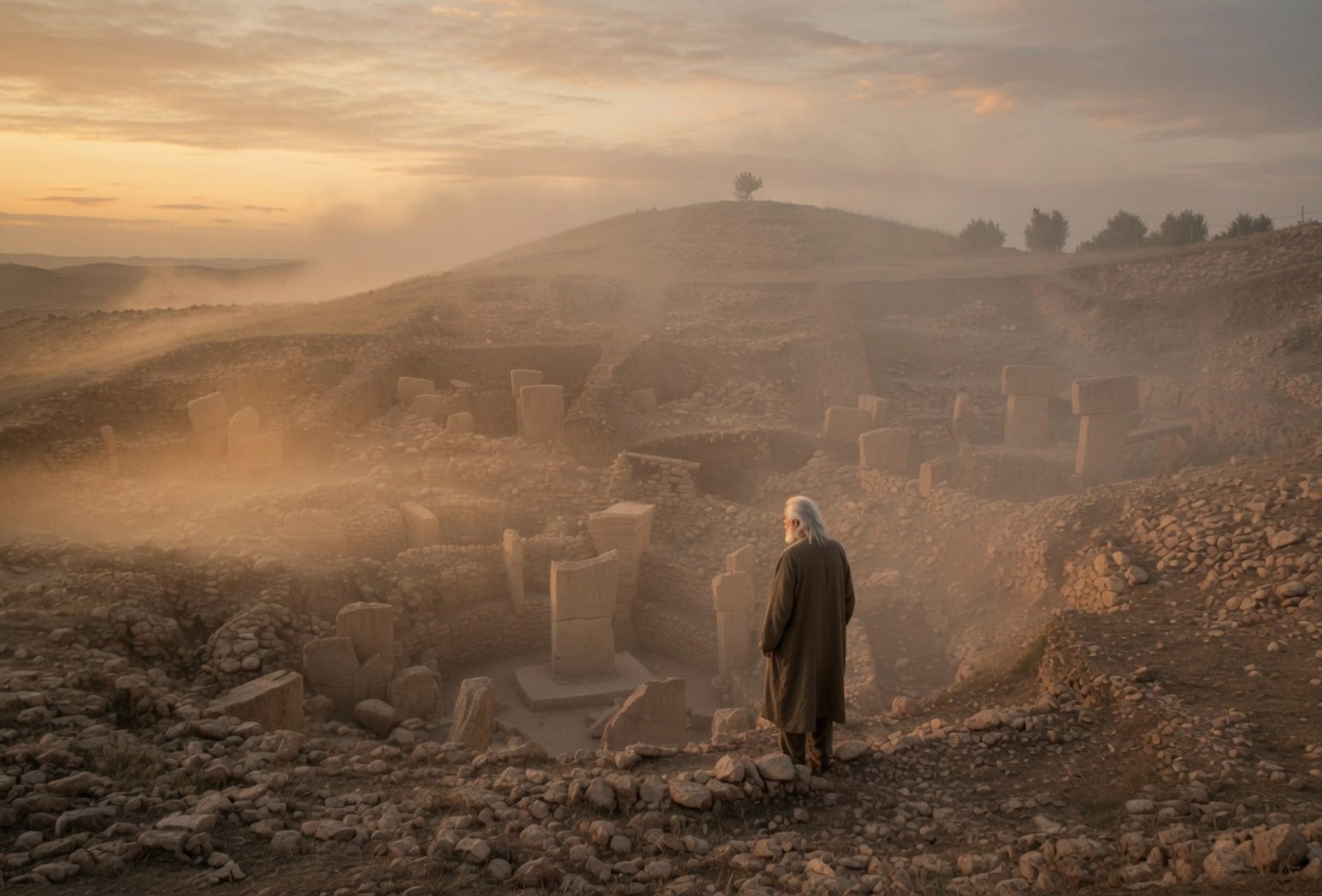
A bit of solace if it’s any help: you’re just shy of 12,000 years late for it. There’s a specific type of silence that follows that first day off after your final paid position ends. It’s not exactly a restful silence, perhaps; it sounds rather like a big old machine powering off and the realization you were tuned in all along and just didn’t realize it for four decades.
Into this silence then marches a question you probably haven’t asked in earnest since the age of nineteen-and that may even be a generous estimate.
“What is the meaning of life. Why was I brought into this world.
What comes of this existence, then.
Where does it all wind up, anyway?” And tailing it comes one the matter less agreeable, a deep-seated tremor beneath your certainty. An uncomfortable whisper about the answers you inherited. You begin to thumb through a few history volumes, prompted less by interest, and more by what feels suspiciously like...
A foreboding of something to come.
You pore over your first section on Mesopotamia and reach up to Chapter five, when your gaze falls on theIron Age; you realize-and, oh, you shudder to do so-that the faith you hold so dearly has a conceptiondate and a birthplace. This dawning realization seems an awful betrayal. This awareness that, perhaps you stand merely on the ledge of an endless abyss without bottom.
Here’s why I hope you are reading this. My intent isn’t so much about talking anyone into or out of anything. Rather, my hope is to simply inform you of a very important fundamental truth: Whatever it is you’re wrestling with-your new journey.
The question is older than farming
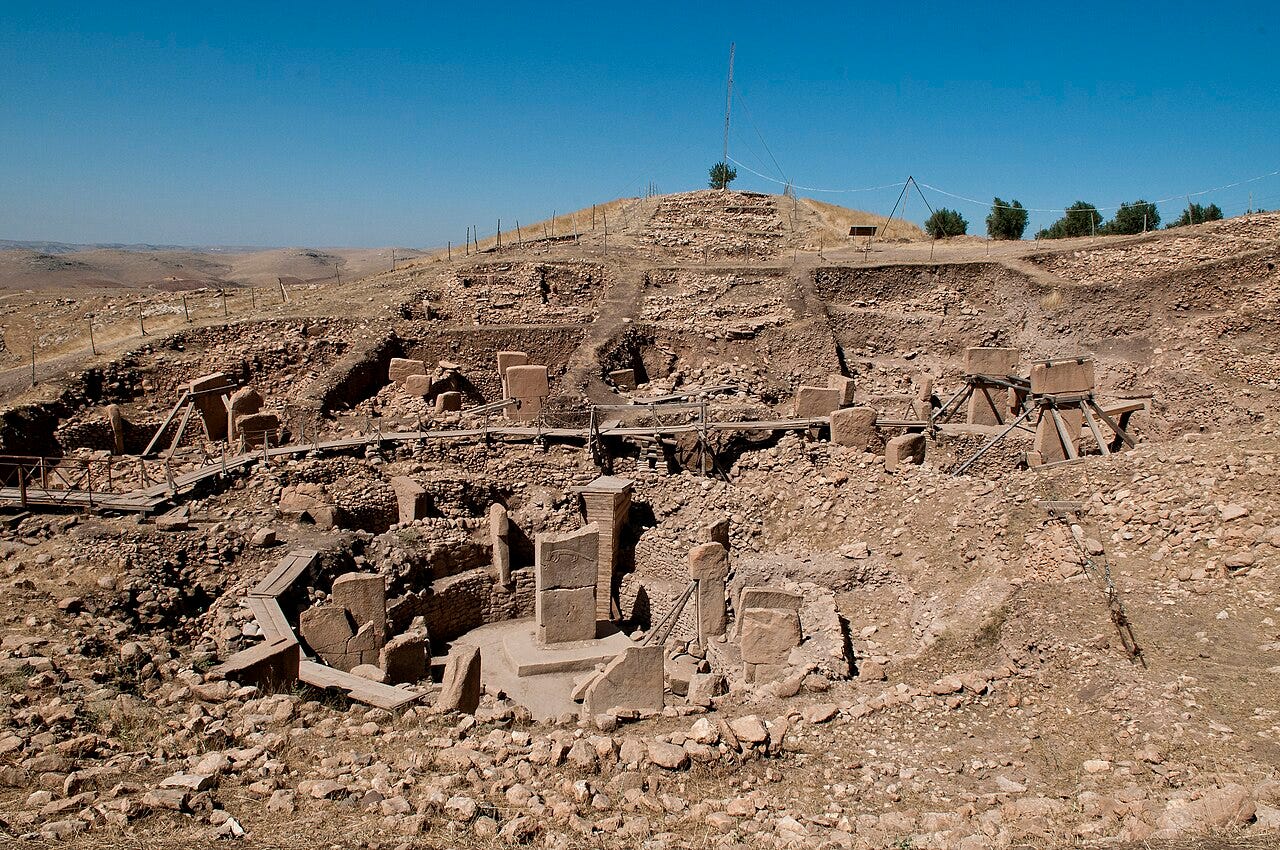
The Question Predates Agriculture “Follow the evidence to its origin.” This comes from Upper Mesopotamia, on a limestone ridge in what is now Şanlıurfa province in Turkey’s southeast, the evidence suggests that before pottery, before metal, before writing or agriculture, man was using tons of limestone in the construction of a facility that was not necessarily a place of habitation but one for an estimated 11,500 years before the present on top of an area called Göbekli Tepe where 292-foot high pillars had been carved out which was estimated to twice the age of the ancient wonder stone henge, two thousand five hundred years before any know use in this area of any writing to mention any other common know form of what we associate with having aided the civilization of man including grain based agriculture since the grain and plants were found within the village areas as was many flint works for tool usage not on the main site where the great temples were being utilized according to excavations.
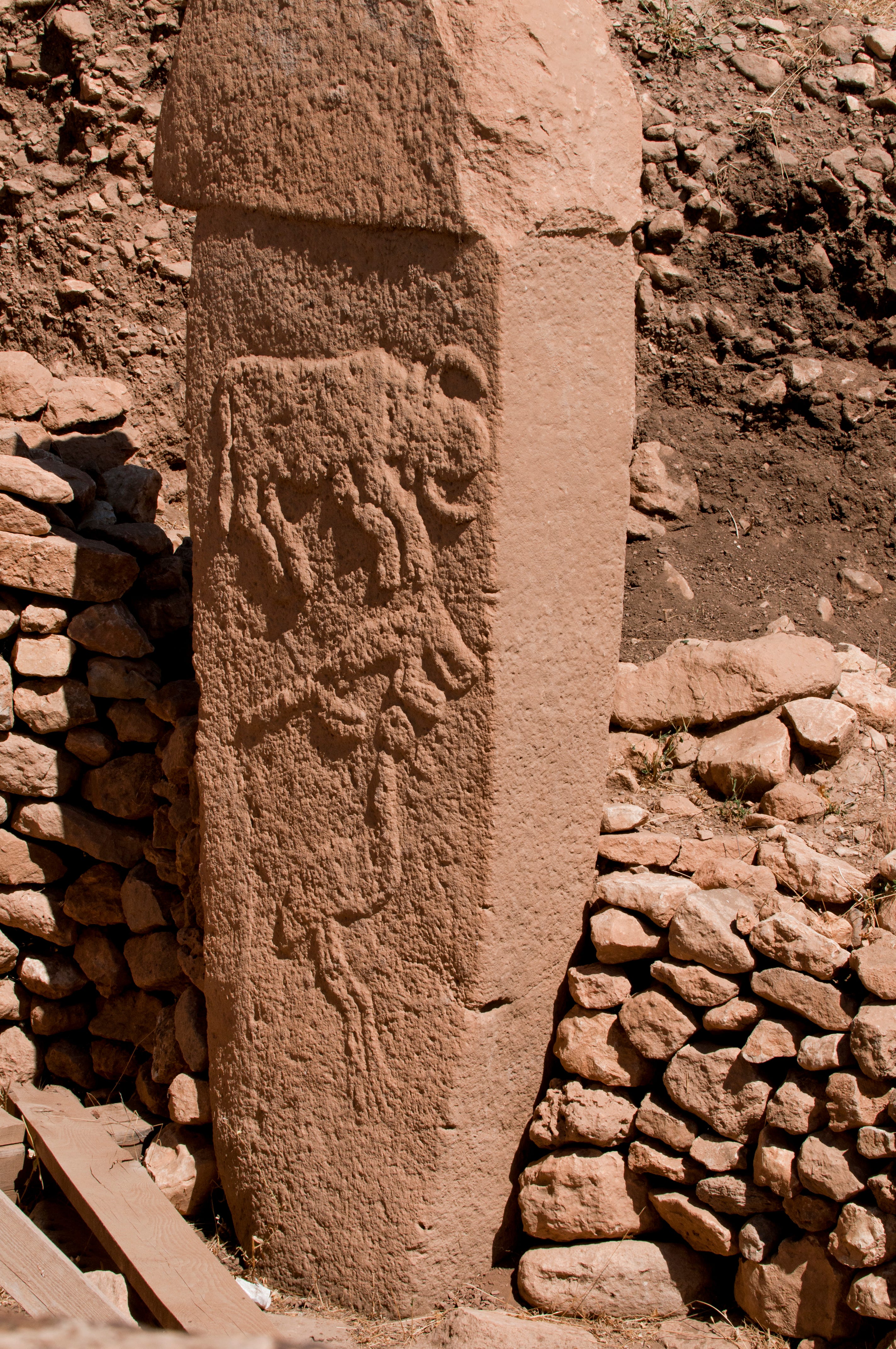
This had thrown many ancient historical theories in and out of place where it was believed the standard order of things were what triggered the creation of these early settlements on account of agriculture making possible excess and community build villages but as some archaeologist believe what lead to settled lifestyle was what ever activities would make groups of people to settle a particular location such as in one theory by which certain groups of people felt inclined to develop this “temple” first, then to go on to build and structure small cities where, with less that what we perceive today, it may have encouraged the building and structuring to pursue what ever beliefs it is that they had in this ancient place of what is now referred to as Turkey with similar architectural structures found elsewhere as in more that 250 T shaped pillars discovered some being of over 7 ft height and others with carved human and animal carvings from a place in time called Karahan Tepe located less than a day “drive’ from the location of Göbekli Tepe, and as much as 95 percent of it remains underground.
The best explanation when all is in all the facts come out in favor of the question of what made man a societal being at such a place and at such a time were he was limited to so very little as would normally be used as encouragement for man to do such building structures as is believed in such circumstances to not have been built for a reason as what it is in man or us that drives this quest prior to our ability to cultivate the world to our convenience in food and structure which has made us into the beings that is now recognized as this new societal man.
Older still: the refusal to leave the dead alone
Push back further and the evidence thins, but it does not vanish.
At Qafzeh and Skhul in modern Israel, the earliest Homo sapiens were placed in the ground somewhere between ninety and a hundred and twenty thousand years ago, in some cases with perforated shells and ochre. At Shanidar in Iraqi Kurdistan, it may be possible that Neanderthals deposited their dead with some intention, though every claim about deliberate Neanderthal burial has been contentious for the last century and continues to be so.
The most controversial instance remains the most visually striking. It has been claimed that an expedition to the Rising Star cave system in South Africa succeeded in removing dead Homo naledi, small-brained hominins from upwards of a quarter of a million years ago, to a remote recess and interring them there. The paper underwent a review process at eLife more open to the public than usual, the reviewers divided as to whether the interpretation could hold up. The debates continue.
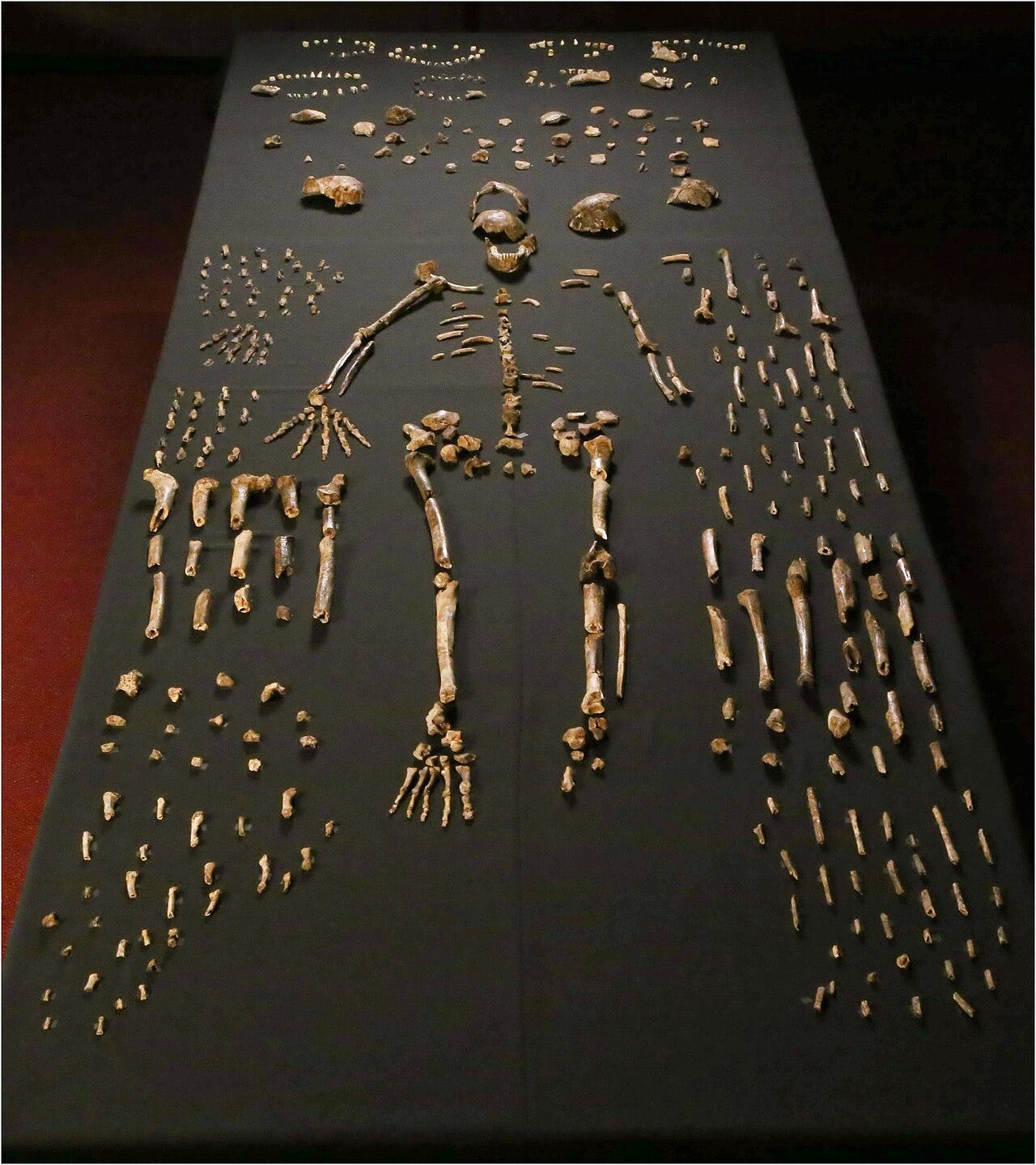
Whatever its intent-and let us by-pass all of those details-hold the basic pattern. Burial would represent a quite gratuitous expenditure of resources. Something on hominin line began taking on this gratuitous task, very early on, and has not abandoned it since. One rarely bothers to dig a grave, except that one somehow cannot trust one’s own eyes on a basic, obvious score: person gone now.
But that difficulty in trusting one’s eyes must be something to stir you at present; I believe it is what you’re experiencing now.
They wrote it down, and they wrote your version of it
This is the bit which always surprises people arriving late to it.
What you are thinking cannot possibly be modern, or from the Enlightenment, or a symptom of secular decline. It is embedded in the ancient record itself, penned by insiders, often preserved by the institutions it calls into question.
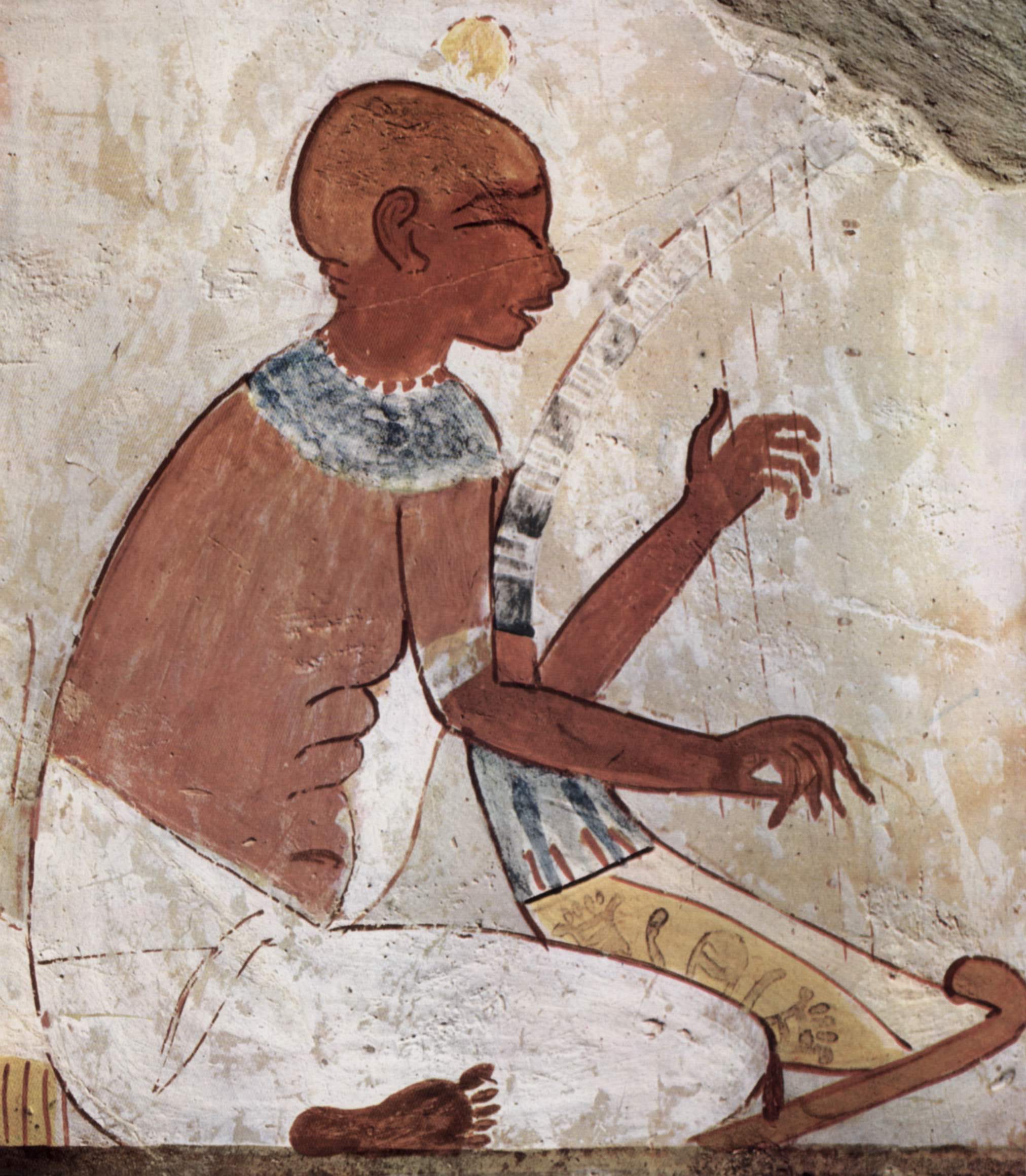
In Egypt, from a king’s tomb named Intef, the Harper’s Song stands in the midst of the most extraordinarily death-obsessed culture the world has ever produced, and essentially argues: the great king’s tombs are ruined; nobody has ever come back to tell us what it’s like in that land, so enjoy your linen and your oil while it all lasts. Miriam Lichtheim took it to signal the opening up of a really skeptical tradition in Egyptian literature. Centuries later a harper’s song from the tomb of the vizier Neferhotep answers it: he declares those doubts nonsensical. An argument conducted across generations, carved into tombs walls.
In Egypt, the Man and His Ba Dispute, a man argues with his Ba (his soul) on the wisdom or foolishness of continuing life. In Babylonia, in around 1000 BCE, the Dialogue of Pessimism depicts a man asking his servant to suggest some ten things he should do, and for each suggestion the servant provides excellent reasons to do it, followed by excellent reasons why not. It concludes, roughly, that you can’t tell any one thing apart from another. Babylonian Theodicy has essentially the same argument: gods are just; the world isn’t.
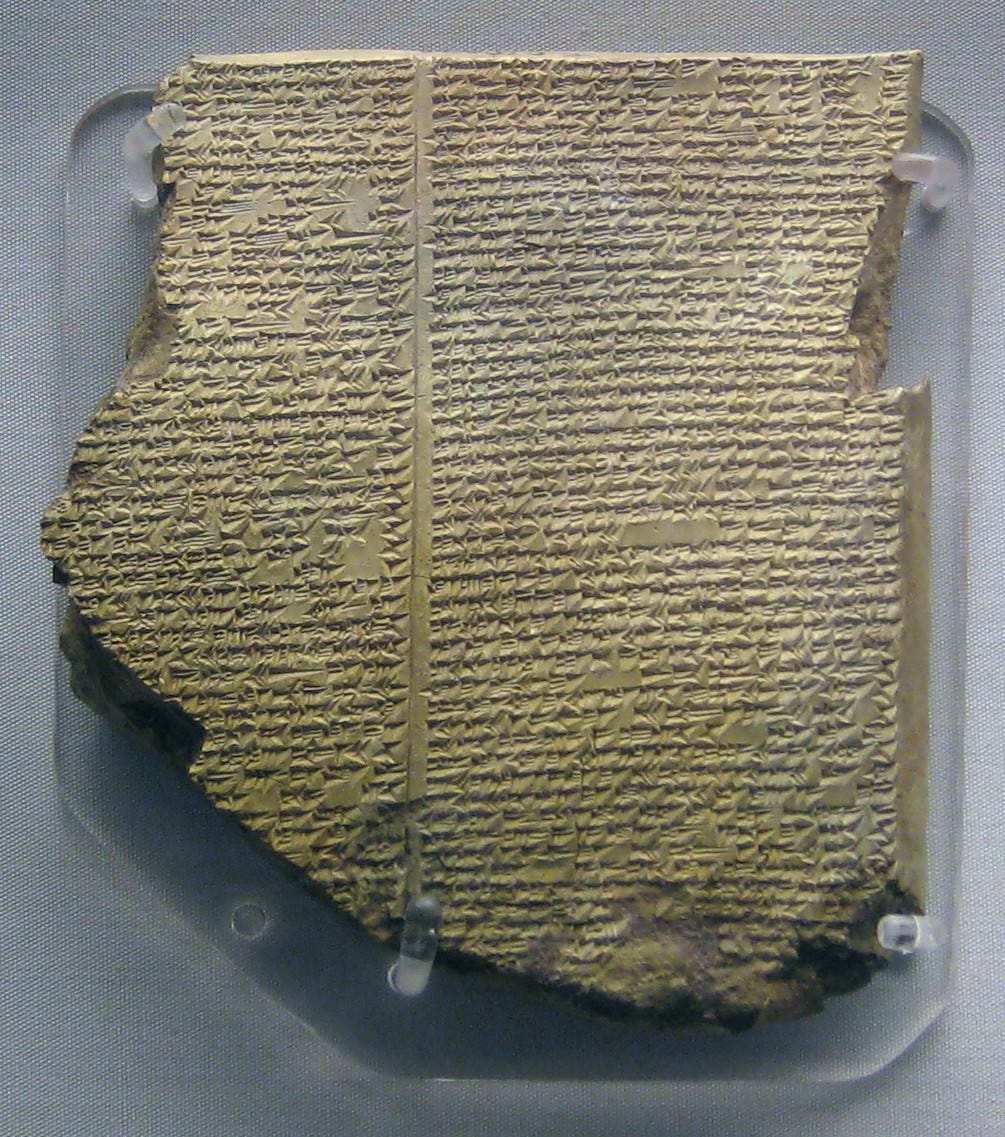
In the Epic of Gilgamesh, a king who has just seen his friend dead for the first time goes to ask someone, at the very edge of the world, if they can offer some sort of workaround to death. A tavern keeper at the end of the world suggests that god has reserved life for himself and delegated death to us, so he’d better “eat and be drunk and be joyful”. Scholarly readers like Tzvi Abusch have argued that it’s not only the oldest bit of the epic, but that it might have been the only ending of the earlier version of the story, not featuring the famous flood narrative as we know it.
If the advice of Siduri sounds familiar that’s because you’ve read it before, in the book of Ecclesiastes, where a narrator looks over everything he’s built, declares it “vapour,” and tells us that the best we can do is bread, wine, and someone you love. The closeness of the Mesopotamian/Egyptian material to Qoheleth has prompted nearly a century of scholarship on intertextuality.
What you are seeing is something truly radical. The books you’re afraid to question already contain the question within them. The doubt has not been smuggled in from outside. The doubt has load-bearing capacity.
The Axial Age, and why it is only half true
Around the mid-point of the first millennia BCE. A turning does really appear to happen. In the space of just a couple of centuries you have the Hebrew prophets, the Upanishads and the Buddha, Confucius and Laozi, and the Greek philosophers. Karl Jaspers named this the Axial Age and argued in 1949 it was the pivotal point of the transformation of human self-perception.
The concept has been remarkably fertile, though when considered in its strong formulation, it is likely not true. Critics have been pointing this out for decades: the figures were clearly not born or writing simultaneously; four regions are neither exhaustive nor arbitrarily chose; the entire structure incorporates an artificial, late nineteenth-century European meta-narrative of sorts. There was an assembly of twenty one scholars brought together to debate the matter by Shmuel Eisenstadt in 1986.
Karen Armstrong revitalised the idea for a general audience in 2006, defining its core characteristic as being about ethics and compassion, rather than about metaphysics.
Emerging work, led by Nicolas Baumard and others, proposes a connection between this shift and the rise in affluence rather than any cognitive transformation.
What survives this wave of criticism, however, is minimal but undeniable: religion did change, in several locales, from being largely about proper sacrifices, to being about the character one possessed and its implications for one’s destiny. The question moved inward; once within, it is not something any other but oneself can answer.
Where the impulse comes from, as far as anyone knows
There’s an area of research – the cognitive science of religion – that aims to explain why our species reliably produces the stuff. Stewart Guthrie and Justin Barrett’s idea that we’re hypervigilant detectors of agents, which turns a rustle in the grass into a man. Pascal Boyer, who argued that spread the best and fastest were those concepts which violated only one intuitive schema. Ara Norenzayan’s notion in ‘Big Gods’ of watchful, moralistic gods which enabled strangers to cooperate at scale in cities.
It would be an injustice to all three if I did not note, of course, that this is by no means settled. So much effort has gone into finding what psychologists call null results relating to the agency-detecting notion and critics, quite justly, have complained there still simply isn’t any adequate directly testable evidence in the twenty five years since it was developed. Nor has Mr Norenzayan’s hypothesis avoided trouble: its evidence has been argued to be confounded by economic circumstances.
So: The impulses are, with high degree of confidence built in; the explanation remains a work in progress. This is where things stand, and all are due it.
Why the question found you now, specifically
The answers above do not explain the timing of it. But this does.
The last stage Erik Erikson set for human development is integrity versus despair, and it opens pretty much at retirement. It is about having to account: “Can I be satisfied with my life as it is and was?” In 1963 Robert Butler charted this phase and coined life review: not a morbid preoccupation but part of healthy old age. The concept in 1979 was expanded by Lars Tornstam into gerotranscendence: moving from the individual self to a universal cosmos that feels much more part of all our lives, although Erikson himself did already anticipate some aspects toward the end of his career.
Therefore, the trajectory you’re experiencing is already outlined. When working ends, our perspective widens. Professional work, which provides an identity and a response to the question “who are you”, can no longer solely provide one, and the focus shifts back to a much bigger remaining challenge: life itself. Browsing old history books at this moment is not merely killing time; it’s about life review reaching back beyond a single lifespan.
There’s something that catches most people by surprise, a fact about dying. Fear of death does not gradually increases as you approach the end. Multiple research findings show the anxiety peak to be in young adulthood, to then diminish by far for men and for a brief peak of around fifty for women; on the other hand, the analyses made to over ten thousand participants on the Health and Retirement study highlight a general reduction of the reflection on death or thinking of death with age and this correlates negatively to our social circles: we fear it less when surrounded by people who can give us support.
You’re seeking death as an entity with its anxieties, at an age where people statistically fear death the least in their life time. Awareness of this is valuable – it means that your introspection is most likely not motivated by fear, rather resembles an audit, a self examination, even if painful at times, not only about living itself but the world around.
Your fear is not irrational
You say that you were afraid. Or you were intimidated. That isn’t unreasonable and that is not cowardice.
It may well be perfectly sensible to have misgivings where you are - if it is rational, it should respond to an objective cost.
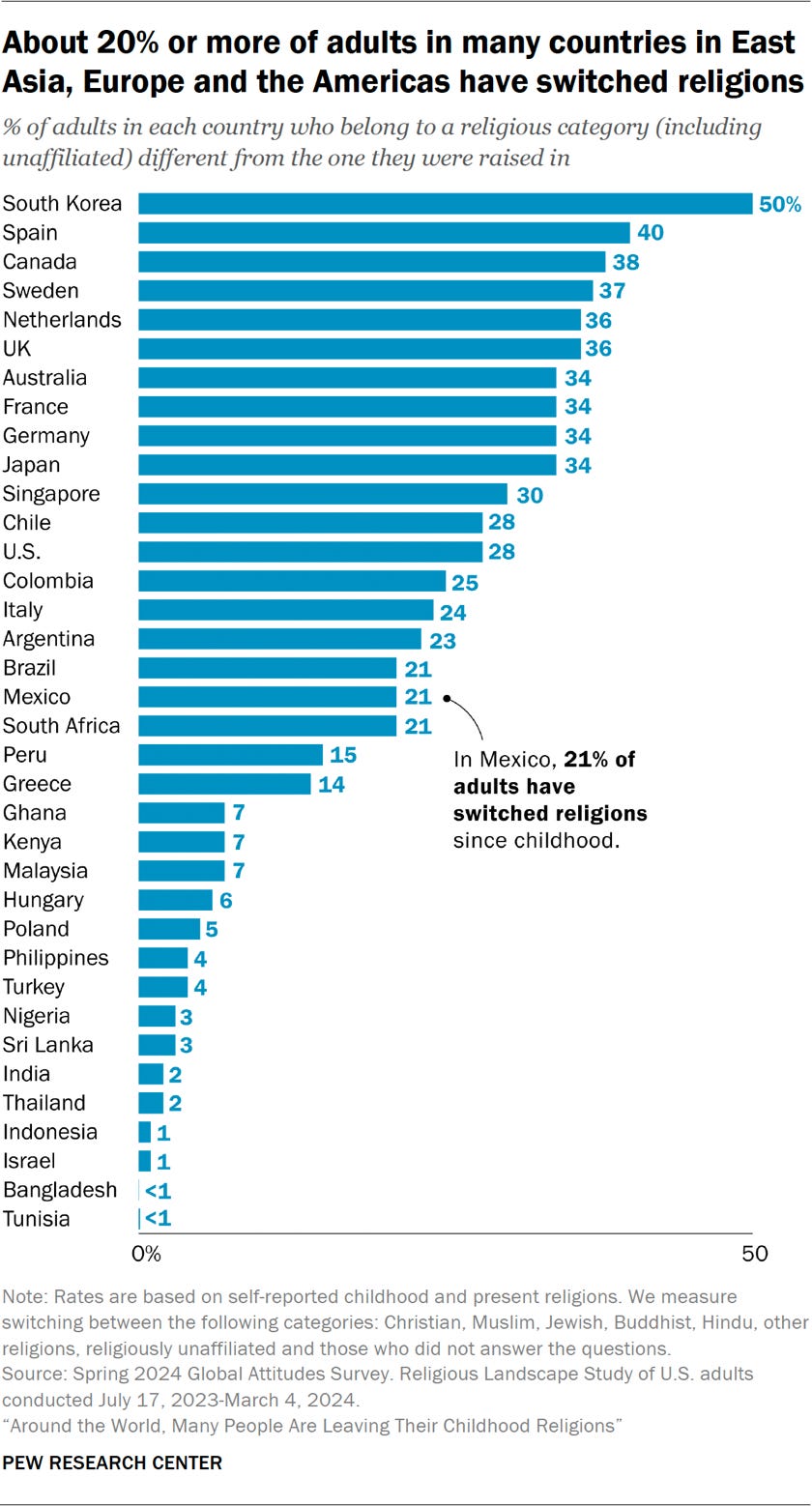
This Pew report surveying almost 80,000 people in 36 countries was published in March this year, ‘Views of religiously unaffiliated individuals across countries. One of Pew’s two major analyses on the issue,’ It reported, as it had done previous surveys, that ‘leaving the religious community of one’s youth varies quite a lot’: almost half the population in South Korea, 40% in Spain, 38% in Canada, 36% in the UK, 28% in the United States, and only 4% in Turkey, 2% in India, 1% in Israel’. ‘In several of the countries where these attitudes are most prevalent, there are restrictions or penalites for apostasy,’ and anti-conversion legislation exists in ‘most Indian states.’ The same programme revealed global estimates that, ‘10% of all adults below the age of 55 currently belong to “no religion” where they were raised as members of any religious tradition.
The world share of people belonging to a religion declines from 76% in 2010 to 77% in 2020 among the world’s population,’ What follows is clear: Firstly, “questioning”, whatever it implies, is mainstream even in some other societies, it is a majority tendency in yours.
And, secondly, that the “fear”, or the “intimidation” of which you speak may well be perfectly rational, well tuned to the “objective costs” peculiar to your situation - and the calculation must be yours. History is not the ultimate calculator for what risks you can afford to take.
So what does any of this give you?
This is not an answer. It might even be dishonest to imply anything to you about it, because there is an industry that’s happy to sell you exactly that.
What it gives is company. This company is ancient. A hunter gathering a ten ton pillar up a hill.
A Neanderthal setting a body in a cave.
A scribe in Thebes that nobody came back to say. A Babylonian composing 86 lines demonstrating that for every course of action there’s the argument both ways. A king at the end of the world instructed to return and eat his bread. A sage in Jerusalem declares it all vapor and recommends wine.
There is a final thing I propose as not proving anything. The last three texts, written separated by centuries, language, and gods, are in agreement on what they found. Not a metaphysic.
A practice.
Stay attentive to the food, to the people, to the day. Whether a truth about the universe or a truth about the species that poses the question, I can’t say. Whether they copied from one another is also a debate.
But when the greatest minds of the ancient world reached this point, this is where they were standing. You’re standing in the same spot, with better maps and more time.
Keep reading.
Thanks for reading. Support Independent Ancient Content. Your support helps me create more archaeology posts, articles, and mini history videos:
Sources:
Göbekli Tepe and Karahan Tepe
E. B. Banning, “So Fair a House: Göbekli Tepe and the Identification of Temples in the Pre-Pottery Neolithic of the Near East,” Current Anthropology 52:5 (2011). https://www.journals.uchicago.edu/doi/full/10.1086/661207
E. B. Banning, “Paradise Found or Common Sense Lost? Göbekli Tepe’s Last Decade as a Pre-Farming Cult Centre,” Open Archaeology (2023). https://www.degruyterbrill.com/document/doi/10.1515/opar-2022-0317/html
Dietrich, Heun, Notroff, Schmidt and Zarnkow, “The role of cult and feasting in the emergence of Neolithic communities,” Antiquity (2012). https://www.cambridge.org/core/journals/antiquity/article/role-of-cult-and-feasting-in-theemergence-of-neolithic-communities-new-evidence-from-gobekli-tepe-southeasternturkey/A1AA4FB20657599F859860D94CCD090E
German Archaeological Institute, “A Sanctuary … or so fair a House?”, Tepe Telegrams. https://www.dainst.blog/the-tepe-telegrams/2017/01/24/a-sanctuary-or-so-fair-a-house/
“New Neolithic faces,” The Past (November 2025). https://the-past.com/news/new-neolithic-faces/
Arkeonews, new Karahantepe finds (2026). https://arkeonews.net/new-discoveries-at-12000-year-old-karahantepe-human-statues-animal-carvings-and-surprising-diet-uncovered/
Burial and the deep record
Berger et al., “Evidence for deliberate burial of the dead by Homo naledi,” eLife (2025), including the public reviewer disagreement. https://elifesciences.org/articles/89106
National Geographic on the Rising Star claims. https://www.nationalgeographic.com/science/article/earliest-human-burial-homo-naledi-berger
History.com overview of Qafzeh, Shanidar and La Ferrassie. https://www.history.com/articles/human-ancestors-bury-dead-graves
Ancient doubt literature
Miriam Lichtheim on the Harper’s Songs, and World History Encyclopedia’s summary of the Intef and Neferhotep songs. https://www.worldhistory.org/Harper’s_Songs_of_Ancient_Egypt/
Dialogue of Pessimism, with W. G. Lambert’s Babylonian Wisdom Literature (1960) as the standard edition. https://www.worldhistory.org/article/2162/dialogue-of-pessimism/
Tzvi Abusch, “Gilgamesh’s Request and Siduri’s Denial,” in The Tablet and the Scroll (1993). https://www.academia.edu/30929551/
On the Qoheleth, Siduri and Harper’s Song parallels. https://www.thegospelcoalition.org/themelios/article/ecclesiastes-in-context-reclaiming-qoheleths-canonical-authority/
The Axial Age debate
Alan Strathern, “Karen Armstrong’s Axial Age: Origins and Ethics,” The Heythrop Journal (2009). https://onlinelibrary.wiley.com/doi/full/10.1111/j.1468-2265.2009.00413.x
John D. Boy, “The Axial Age and the Problems of the Twentieth Century” (2015). https://www.ncbi.nlm.nih.gov/pmc/articles/PMC4457807/
Cognitive science of religion
Stanford Encyclopedia of Philosophy, “Evolutionary Approaches to Religion.” https://plato.stanford.edu/entries/religion-evolutionary/
On the absence of empirical support for hypersensitive agency detection, Religion, Brain & Behavior (2025). https://www.tandfonline.com/doi/full/10.1080/2153599X.2025.2584792
Norenzayan et al., “The cultural evolution of prosocial religions,” Behavioral and Brain Sciences (2016), and the accompanying commentaries. https://www.cambridge.org/core/journals/behavioral-and-brain-sciences/article/cultural-evolution-of-prosocial-religions/01B053B0294890F8CFACFB808FE2A0EF
Later life, meaning and mortality
Erikson’s integrity versus despair and Butler’s life review, summarised. https://iastate.pressbooks.pub/individualfamilydevelopment/chapter/psychosocial-development-in-late-adulthood/
On gerotranscendence and Erikson’s late position, American Journal of Geriatric Psychiatry. https://www.ajgponline.org/article/S1064-7481(23)00524-9/fulltext
Russac et al., “Death anxiety across the adult years,” Death Studies (2007). https://pubmed.ncbi.nlm.nih.gov/17726829/
Chopik, “Death across the lifespan,” Health and Retirement Study. https://hrs.isr.umich.edu/publications/biblio/8592
Dumitru et al., meta-analysis of death anxiety and psychological distress, Nature Human Behaviour (2025). doi:10.1038/s41562-025-02115-7
Religious switching
Pew Research Center, “Around the World, Many People Are Leaving Their Childhood Religions” (March 2025). https://www.pewresearch.org/religion/2025/03/26/around-the-world-many-people-are-leaving-their-childhood-religions/
Pew Research Center, “Globally, 1 in 10 adults under 55 have left their childhood religion” (June 2025). https://www.pewresearch.org/short-reads/2025/06/26/globally-1-in-10-adults-under-55-have-left-their-childhood-religion/
A few full stops and less paragraph long sentences would make this much, much easier to read.
The transition from sacrifice to inferiority happens after the transition from the Bronze Age to the Iron Age in the Mediterranean region. That was accompanied by a massive depopulation. The Iliad mentions a disease from "Apollo of the rats". Perhaps that explains the religious transition?