


The word “apocalypse” carries an unfair burden of Hollywood fire and brimstone. In its original Greek context, apokalypsis denoted something far more intriguing: an unmasking or revelation. Stripping away modern cinematic tropes reveals a persistent historical obsession not with absolute annihilation, but with structural reset.
Humanity has always mapped its anxieties onto the cosmos. Whether examining clay tablets from Uruk or reviewing equations in theoretical physics, the impulse remains the same: trying to determine if the end of an era is a permanent curtain or merely a transition.
Apocalyptic Concepts in Ancient Civilizations
The Mesopotamian Perspective on Cosmic Endings
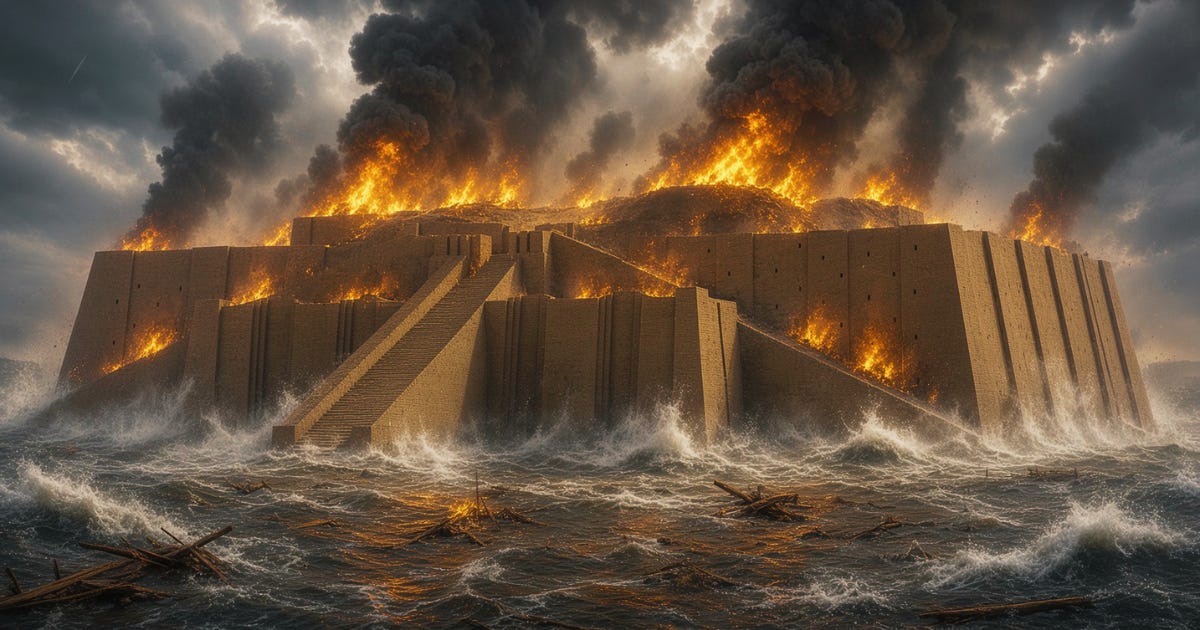
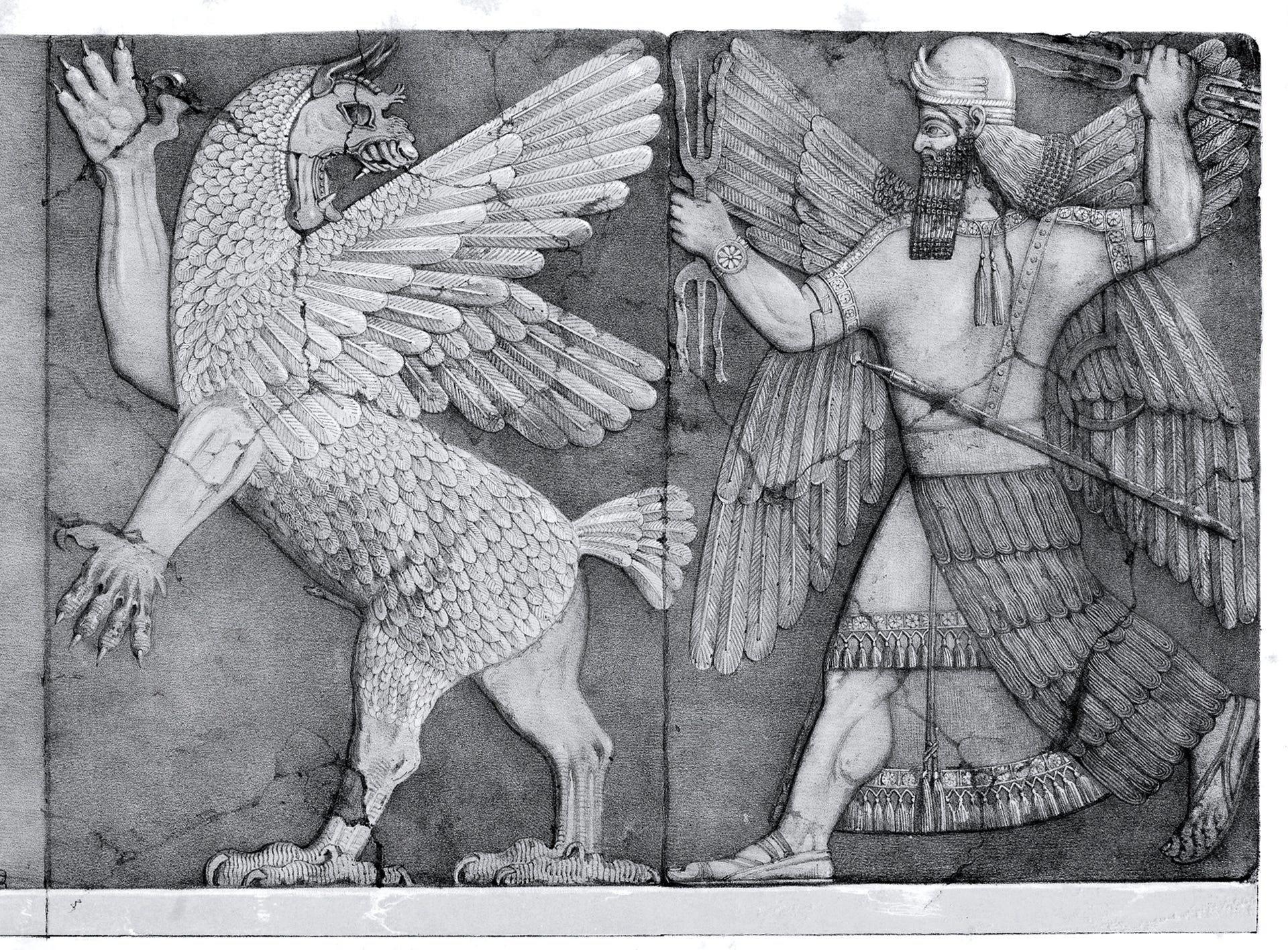
Mesopotamian mythologies viewed civilizational order as a temporary exception rather than a permanent baseline. Divine authority struggled constantly against primordial chaos, a tension reflected in texts like the Enuma Elish.
Systemic breakdown was never treated as an unexpected tragedy; it was the default reality whenever human ritual or royal authority faltered. Apocalyptic scenarios in the Fertile Crescent focused on the breakdown of cosmic equilibrium rather than a singular termination of time itself.
Hindu Cycles and the Yugas
Sanskrit texts frame cosmic decay through extraordinarily vast temporal architecture. Time moves through four distinct yugas, descending from the golden age of Satya Yuga down to the moral fragmentation of our current epoch, Kali Yuga.
Satya Yuga ──> Treta Yuga ──> Dvapara Yuga ──> Kali Yuga ──> (Reset via Kalki)
The inevitable culmination of Kali Yuga brings the avatar Kalki to clear the board, restarting the sequence. Dissolution in this framework operates as a necessary maintenance phase rather than an absolute tragedy.
The Great Dissolution (Maha Pralaya)
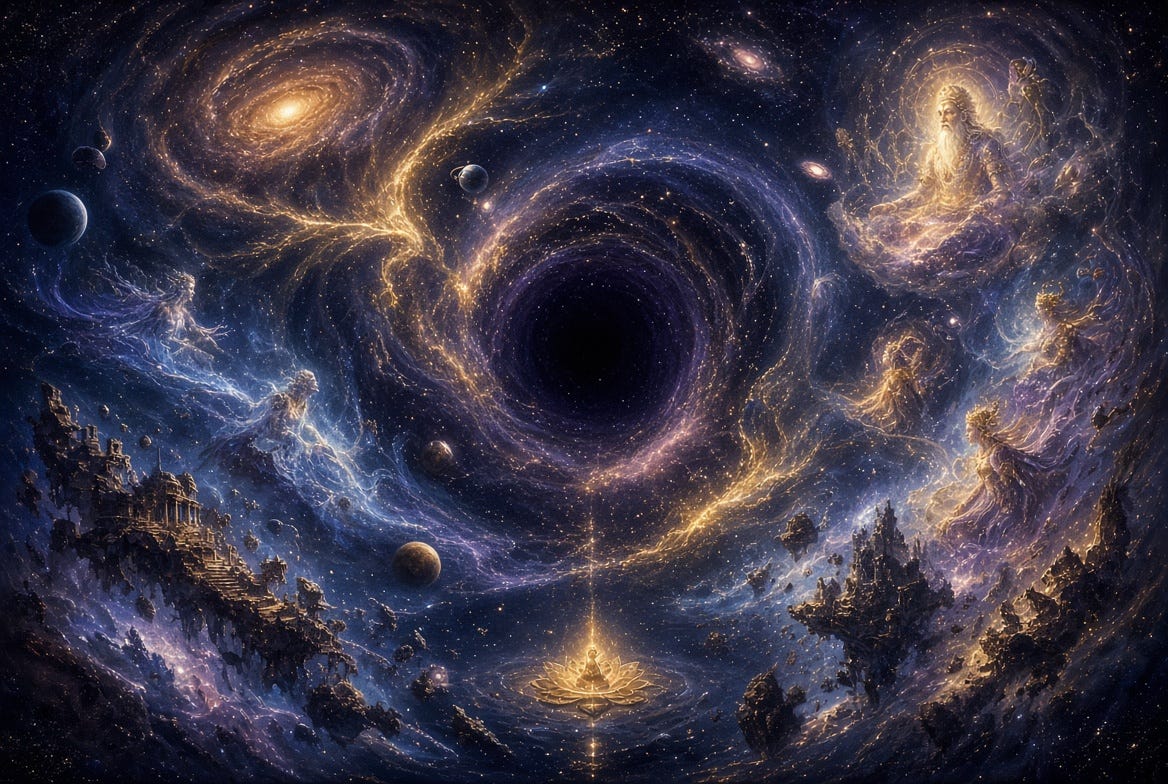
Zooming out past the yugas brings us to Maha Pralaya, or the “Great Dissolution.” Every 4.3 billion years, matter, planetary structures, and sub-deities collapse back into an unmanifest state.
This vast cosmic intake of breath lasts as long as the creation itself before Brahma initiates a fresh universe. Destruction behaves less like a cliff and more like an established biological rhythm on a galactic scale.
How Cultures View Cycles and Endings
The Maya Calendar and the 2012 Misconception
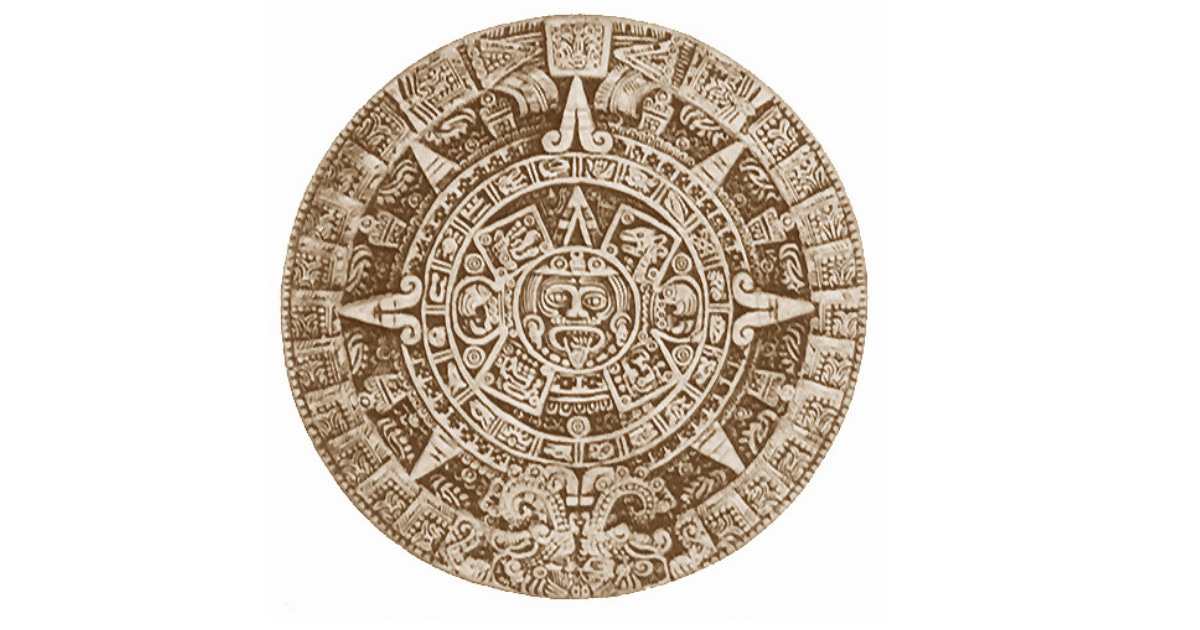
The popular panic surrounding December 21, 2012, says far more about Western culture than it does about ancient Mesoamerica. Maya chronologists tracked long-count dates through complex, overlapping wheels of time.
The end of the 13th B’ak’tun was simply a major odometer turn, not a prediction of doomsday. It signaled the closing of one epochal calendar page and the turning of the next.
Is Time Linear or Cyclical?
Western thought inherited a straight-line model of time, heavily influenced by Abrahamic teleology, the Industrial Revolution, and mechanical clocks. This perspective insists on a fixed origin, a progression of unique events, and a definitive end point.
Linear time creates an existential pressure where every collapse feels permanent. Cyclical time, by contrast, treats collapse as a structural prerequisite for regeneration.
End-of-Universe Theories in Contemporary Cosmology
The Big Freeze (Heat Death)
Modern astrophysics presents two dramatically different scenarios for cosmic destiny. The standard thermodynamic model predicts the Big Freeze, where entropy approaches its maximum state over trillions of years.
Stars exhaust their nuclear fuel, galaxies drift out of visual contact, and the universe settles into a cold, uniform equilibrium. It is an end driven by gradual exhaustion rather than violent catastrophe.
The Big Bounce and Cyclical Models
Alternative cosmological models challenge this linear decay. Theories derived from loop quantum cosmology suggest the universe may contract under gravitational force until quantum pressure prevents a singular collapse, triggering a new expansion.
Big Bang ──> Expansion ──> Contraction ──> Big Crunch ──> Big Bounce ──> (Repeat)