


A Babylonian schoolboy named Šamaš-riḫtu-uṣur once walked out into the countryside, picked up clean clay from a holy deposit and carried it home on his shoulder. He wrote a tablet for Nabû, god of scribes, asking for good health and a long life, and sent it to the doorkeeper of the Ebabbar temple. His tablet, now known as MS 5007, opens a new study of how religion was taught in the schools of 1st millennium BC Babylonia.
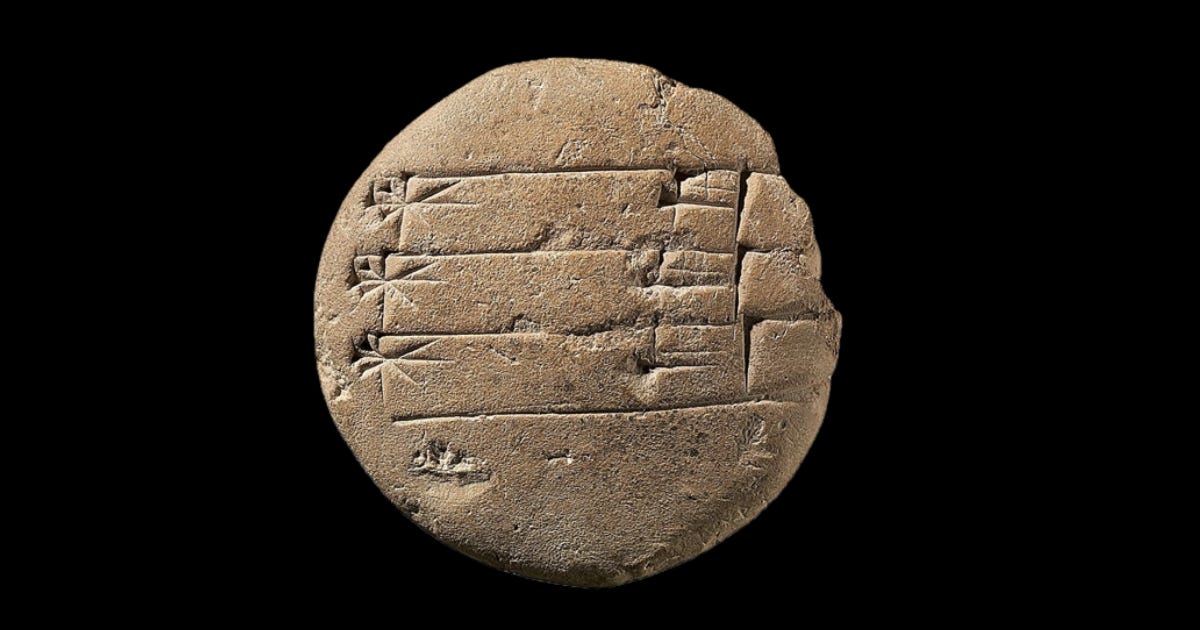
An Old Babylonian student exercise tablet with the name of the god Urash copied in repeated lines. Credit: Cuneiform tablet: student exercise tablet. Babylonian, Old Babylonian period. The Metropolitan Museum of Art, 86.11.251.
The study, by Shana Zaia of Vrije Universiteit Amsterdam, was published online in the journal Iraq on 24 September 2026.
Schools met in teachers’ homes
Zaia’s starting point is that Babylonia had no separate subject called religion. Religious content ran through many genres and entered the curriculum according to how difficult each text was, so even schools located in temple complexes were not primarily religious institutions.
A note to free subscribers : Your support keeps this work independent. Upgrade for a few dollars a month to unlock every long read, the short documentaries and the full archive. Cancel anytime:
