


An Egyptian mission working at Sheikh Soby, in the Bahariya Oasis some three hundred kilometers southwest of Cairo, has excavated three tombs holding mummies, limestone and pottery coffins, and a range of grave goods. They belong to different periods, one to the Late Period and two probably to the Roman era.
The work is directed by Sabri Farag, director general of Bahariya Oasis Antiquities, and forms part of the current excavation season. Minister of Tourism and Antiquities Sherif Fathy said the finds add to what is known about the history of the oasis.
A family tomb cut into the bedrock
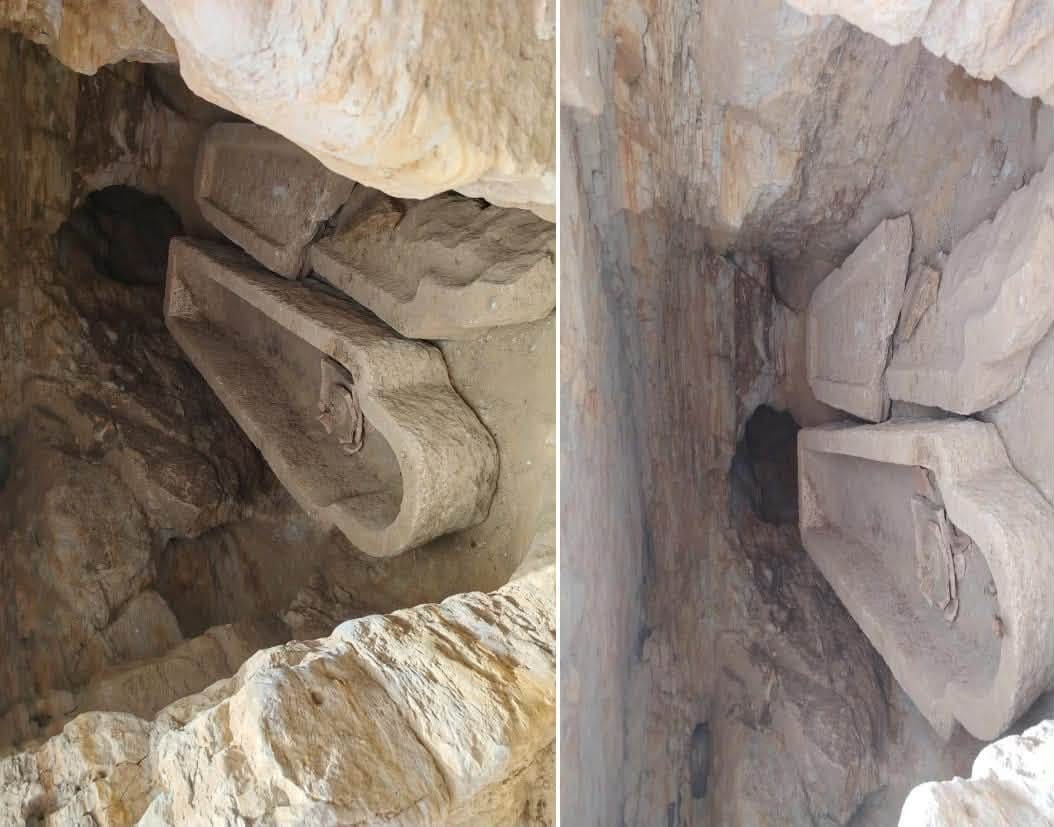
The first is a collective burial cut into sandstone bedrock, apparently intended for a family of five. Mohamed Abdel Badie, head of the Egyptian Antiquities Sector at the Supreme Council of Antiquities, describes a square shaft about three metres deep with two burial chambers at the bottom.
In the western chamber was a limestone coffin containing a mummy wrapped in linen, set into a hollow cut in the floor. That detail matters more than it appears, since the same arrangement is documented in other Late Period tombs at Sheikh Soby, which is how the tomb is dated.
Two Roman tombs, one with a reception hall
The second tomb is undecorated and reached by a flight of stairs. It is thought to be Roman.
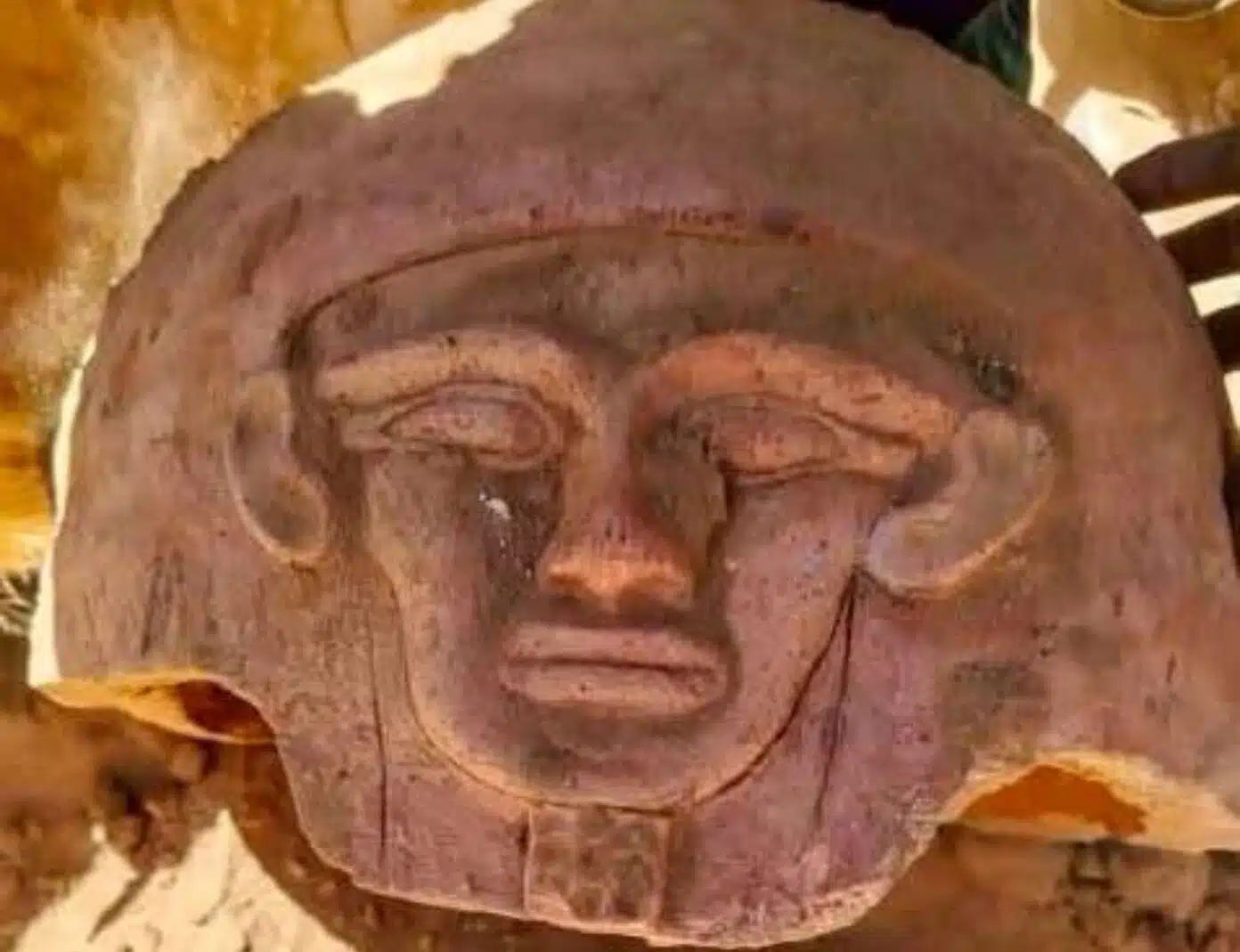
The third is another collective burial, also probably Roman, and its layout is the more interesting of the two. A rectangular shaft leads down into a small hall with no roof, from which two chambers open. The excavators suggest the hall served as a temporary space for receiving the mummy during the funeral, before the body was moved into one of the chambers.
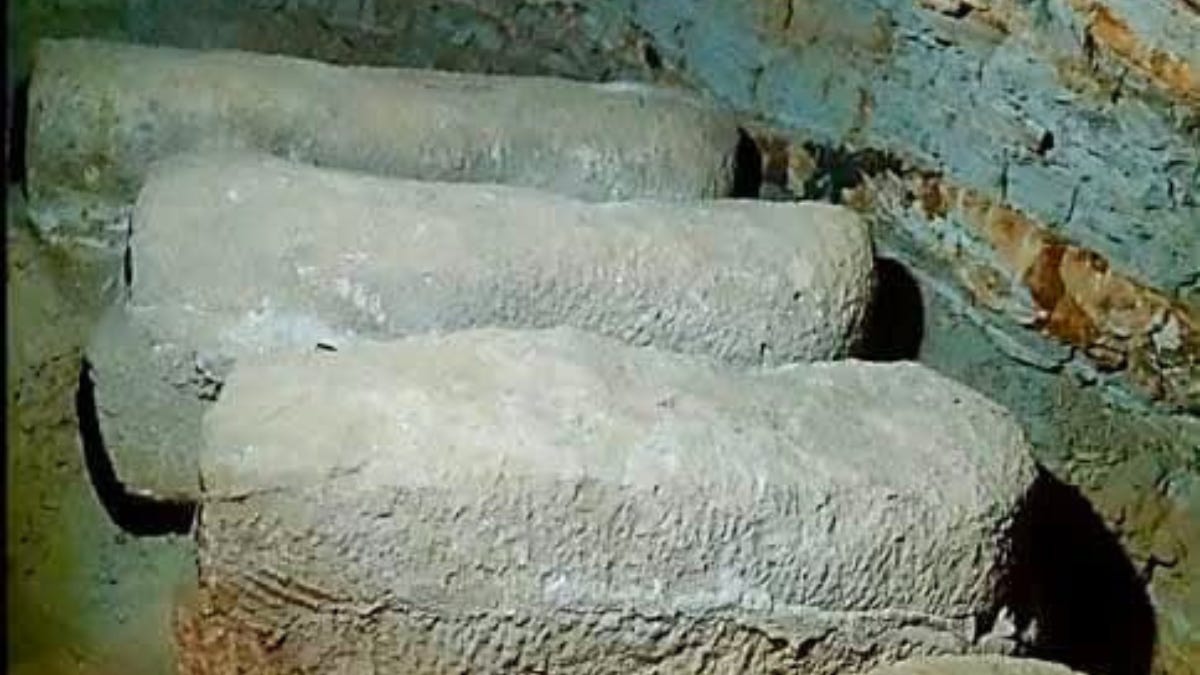
The southern chamber held fragments of a pottery coffin and the eastern one a damaged limestone coffin. Four smaller entrances open off different sides of the shaft, and work at the eastern entrance found a side burial with a cylindrical pottery coffin broken into pieces. Its lid carries a raised human face with the features clearly modelled.
Offering tables and terracotta figures
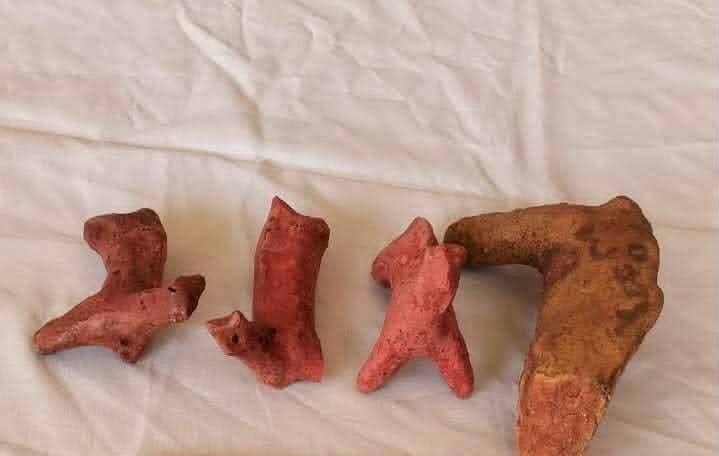
Qutb Fawzy, head of the Central Administration of Cairo and Giza Antiquities, reports pottery vessels, small bottles and dishes, together with offering tables of limestone and sandstone.
There were also terracotta votive figurines. Some are maternal figures. Others are stylised animals.
Bahariya keeps producing burials
Sheikh Soby holds a cemetery used by the rulers and priests of Bahariya during the Late Period, with the tombs cut into the archaeological mound that gives the site its name. The Temple of Bawiti stands in the same area, built in the twenty-sixth Dynasty for Amasis II.
Bahariya has been producing burials on a large scale since 1996, when the Valley of the Golden Mummies was found nearby, a Greco-Roman cemetery estimated to contain thousands of burials, of which only a fraction has been excavated. Sheikh Soby belongs to the same landscape of oasis burial without being part of that cemetery.
Farag says the mission will continue in future seasons, with the aim of finding further tombs and building a picture of how successive generations in the oasis lived and buried their dead.
Sources: Egyptian Ministry of Tourism and Antiquities, announcement of 12 August 2026, with statements from Sherif Fathy, Mohamed Abdel Badie, Qutb Fawzy and Sabri Farag.