Hama sits on the Orontes River in western Syria, built around a mound that once rose more than forty meters above the town. Danish excavators found around 7,400 years of settlement there, beginning with Stone Age farmers around 6000 BC and ending when Tamerlane’s armies destroyed the last major occupation on the mound in 1401 AD.
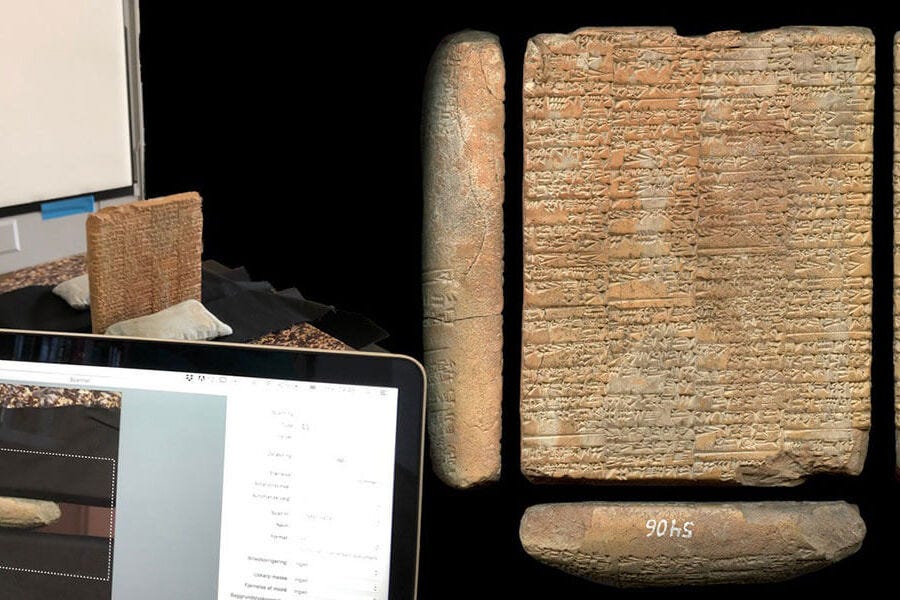
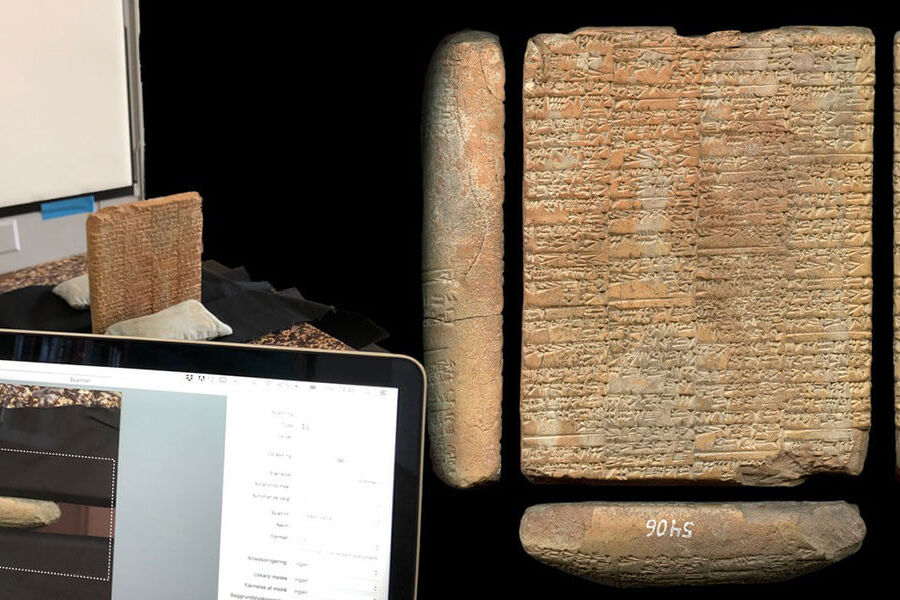
Cuneiform tablets in the National Museum of Denmark. Photo: Troels Pank Arbøll, University of Copenhagen.
In 1936 those excavators lifted a clay tablet from the ruins of one building on the mound. It was one of about twenty. Nearly ninety years later, a study of Denmark’s national cuneiform collection has brought the group back into view, and one tablet in particular. It holds an anti-witchcraft ritual that mattered enormously to royal power in Assyria, because it was believed to ward off misfortunes such as political instability that might strike a king.
A Note to Free Subscribers:
Your support helps keep Ancient Content independent. Upgrade for just a few dollars a month to access every long-form article, short documentary, and the complete archive. You can cancel your subscription at any time.