


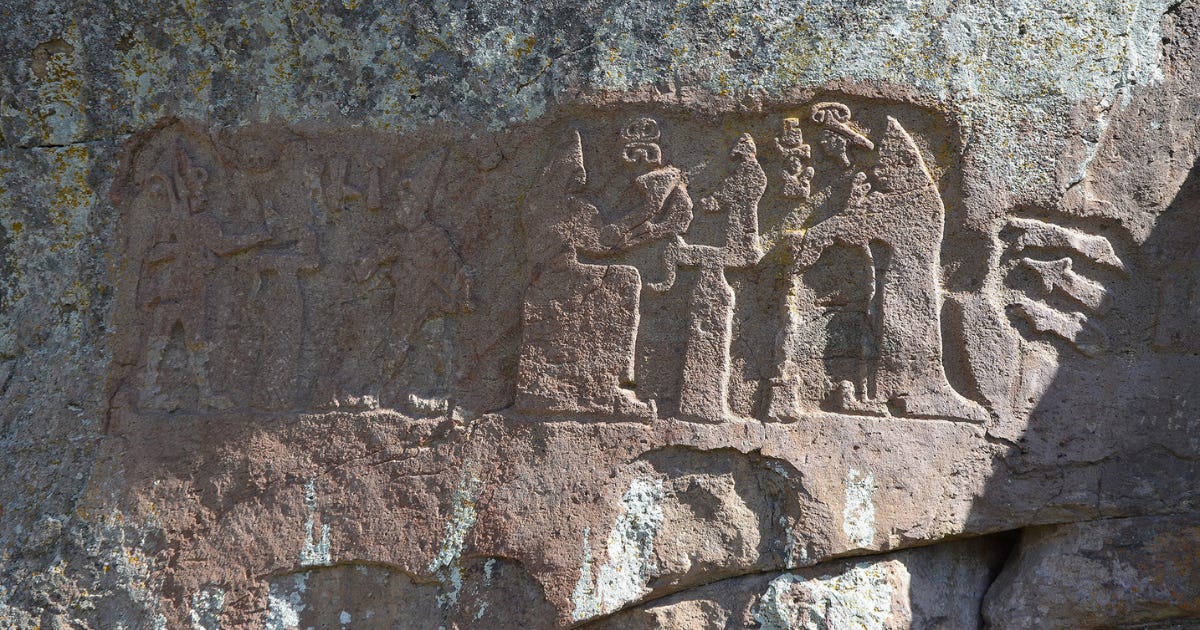
The Fıraktın relief near Develi in Kayseri Province, Turkey, from the 13th century BCE, shows Queen Puduhepa pouring a libation to the goddess Hepat. Credit: Photo by Carole Raddato, via World History Encyclopedia, CC BY-SA 4.0
Puduhepa, Great Queen of the Hittites, wrote to Ramesses II as an equal while she arranged her daughter’s marriage to the pharaoh, and her letters from the royal archive at Hattusa show her pleading poverty, defending her dignity and addressing him as “my brother.” Archaeology magazine places her birth around 1290 BCE. Ramesses II and her husband Hattusili III ended their hostilities with a treaty about 1259 BCE, and the marriage followed in the 34th year of the pharaoh’s reign.
Ancient Content, November 6, 2026
A priestess from Kizzuwatna became a Great Queen
Puduhepa was born in Lawazantiya in Kizzuwatna, a region of southern Anatolia that Wikipedia identifies with Cilicia. Her father, whom Archaeology magazine calls Pentipsarris and Wikipedia calls Bentepsharri, was a priest of the city’s goddess Shaushka, whom the Hittites identified with Ishtar. The magazine reads her name as Hurrian and translates it as “the goddess Hepat has engendered.” Wikipedia adds that she became a priestess of the same goddess.
Hattusili III married her before he took the throne. Wikipedia dates his reign to about 1275 to 1245 BCE on the middle chronology and 1267 to 1237 BCE on the short chronology. By his own account he was a sickly child, and he credited Ishtar with saving his life. Archaeology magazine reports that he married Puduhepa after he claimed Ishtar had directed him to Lawazantiya.
As queen she held the title tawananna. Wikipedia reports that she had her own seal, managed palace affairs and judged court cases. Archaeology magazine describes her as second in command to the king, with a larger role in government than most queens, likely because of her personality and her husband’s frequent illness. Jared Miller, quoted in the same article, says her power depended entirely on her husband’s and remained subordinate to it.
The letters come from the archive at Hattusa
The Egyptian Hittite correspondence was found at Boğazköy, now Boğazkale in Çorum Province, the site of the Hittite capital Hattusa. Wikipedia reports that about 30,000 tablets were recovered there, that Hugo Winckler began excavating in 1906 and that UNESCO listed the site in 1986. Elmar Edel published the letters in a two volume edition in 1994, with Akkadian and Hittite texts and German translations. The catalogue record lists Hattusili III, Puduhepa and Ramesses II as the correspondents.
Archaeology magazine writes that Puduhepa corresponded with Ramesses as an equal and that he called her “sister.” Wikipedia reports extensive correspondence bearing her seal and says she rebuked Ramesses for doubting Babylon’s status as a Great Kingdom. The magazine adds that letters found at Ugarit show her pressing King Niqmaddu over tribute and caravans.
The treaty that opened these exchanges survives as Akkadian clay tablets from Hattusa, according to Wikipedia. Two are displayed at the Museum of the Ancient Orient in Istanbul and a third is in Berlin. Egyptian versions were carved at Karnak and the Ramesseum. Archaeology magazine reports that the final sentences of the Egyptian copy mention Puduhepa’s seal, an honour it says only she received among Hittite queens.
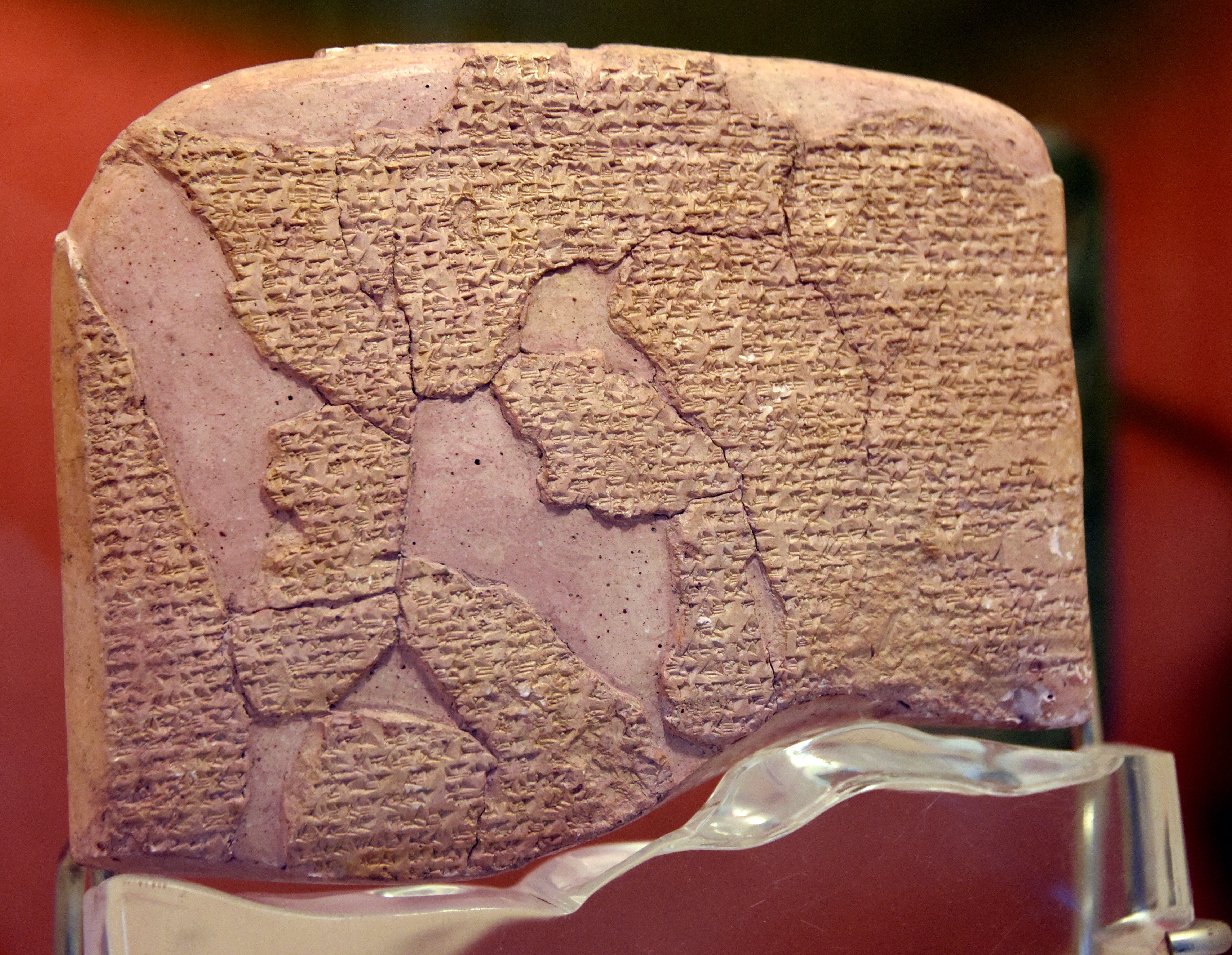
Part of the Akkadian clay tablet of the Egyptian Hittite peace treaty, found at Boğazköy and displayed at the Museum of the Ancient Orient in Istanbul. Credit: Photo by Osama Shukir Muhammed Amin, via Wikimedia Commons, CC BY-SA 4.0
What you have read so far is only the beginning.
Below the break are Puduhepa’s dowry arguments and Ramesses II’s replies, her prayer and vows for her husband’s life, and the Fıraktın relief and seals that carry her name.
Paid subscribers, keep reading. Free readers, upgrade to unlock the rest.

