


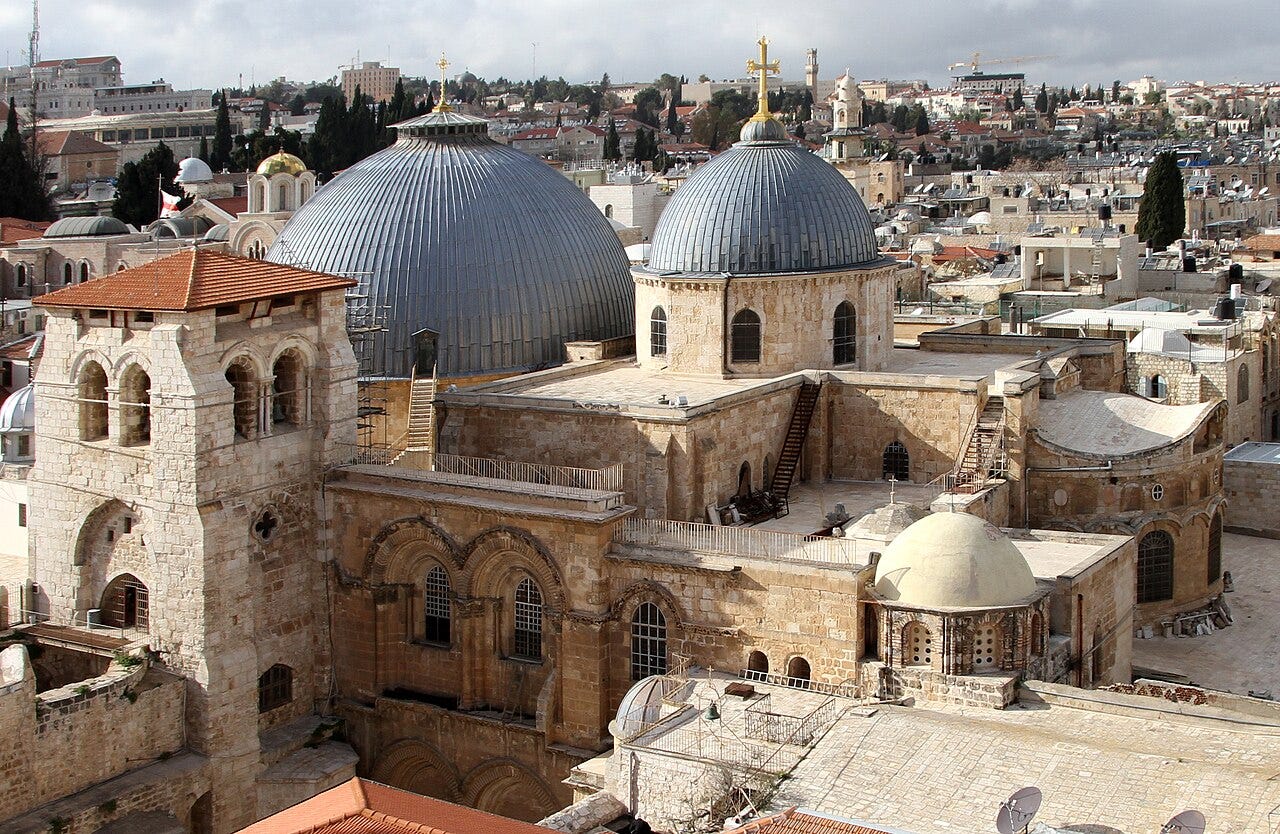
An analysis of historical mortars from the Tomb Chamber of the Holy Aedicule in Jerusalem has traced how builders sourced local stone and altered their binding recipes from the fourth century to the nineteenth century. Published in May 2026 in Case Studies in Construction Materials by Eleni Aggelakopoulou, Antonia Moropoulou and six colleagues from Greek and Italian institutions, the study examines samples collected during the 2016 to 2017 rehabilitation of the shrine inside the Church of the Holy Sepulchre.
The Holy Aedicule encloses the rock-cut burial chamber traditionally identified as the tomb of Jesus Christ. Before the National Technical University of Athens led the 2016 to 2017 conservation project, the structure had relied on an external iron frame installed in 1947 after earthquake damage in 1927. Lifting marble cladding and opening previously sealed masonry allowed researchers to sample mortars from successive building campaigns.
Local rock from the Judean Desert supplied builders for centuries
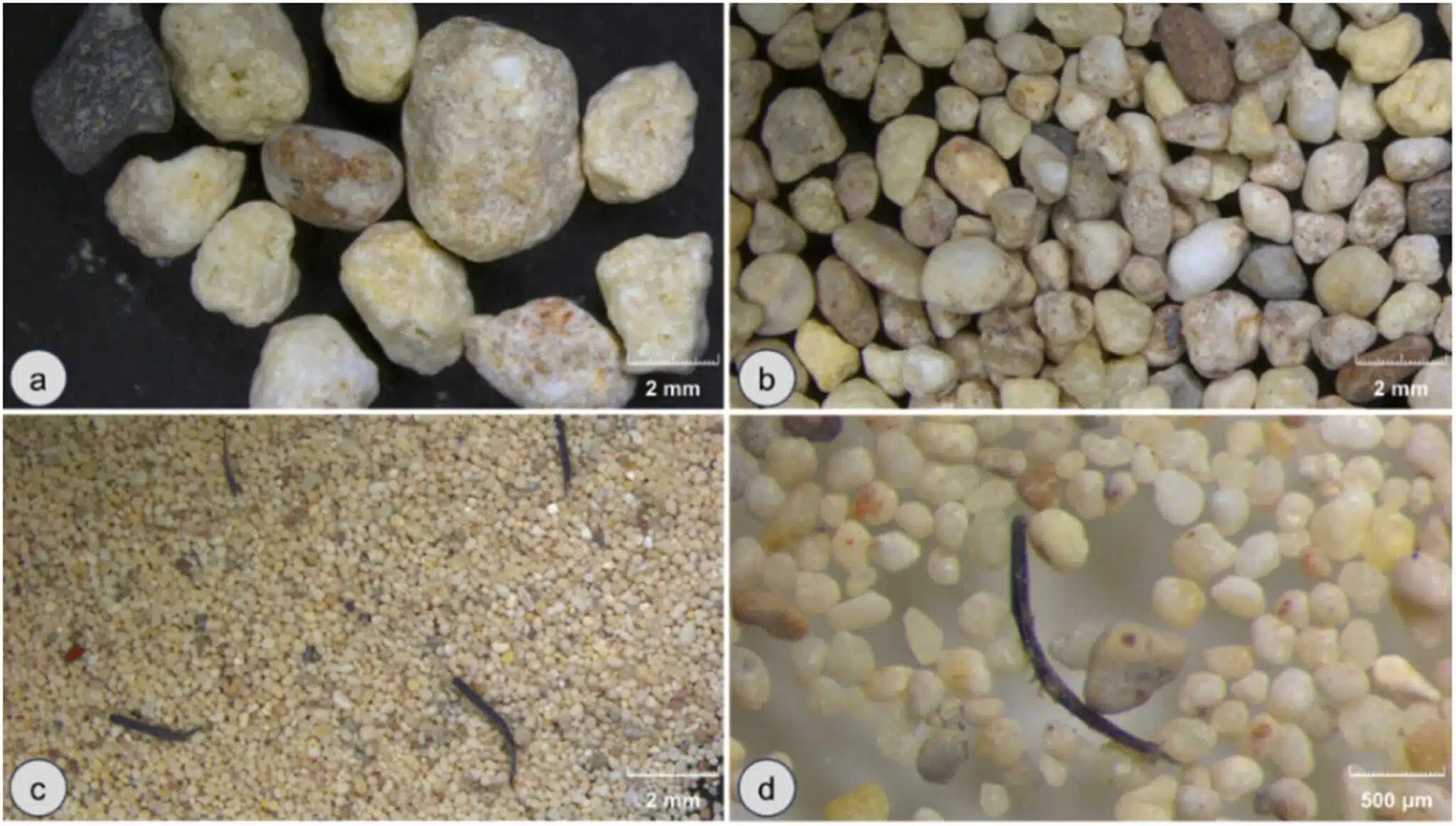
The team combined optical microscopy, scanning electron microscopy with energy-dispersive X-ray spectroscopy, X-ray diffraction, thermal analysis, sieve analysis, micro-Raman spectroscopy and infrared spectroscopy. Across most construction phases, gypsum served both as the binding agent and as aggregate within the mix.
