


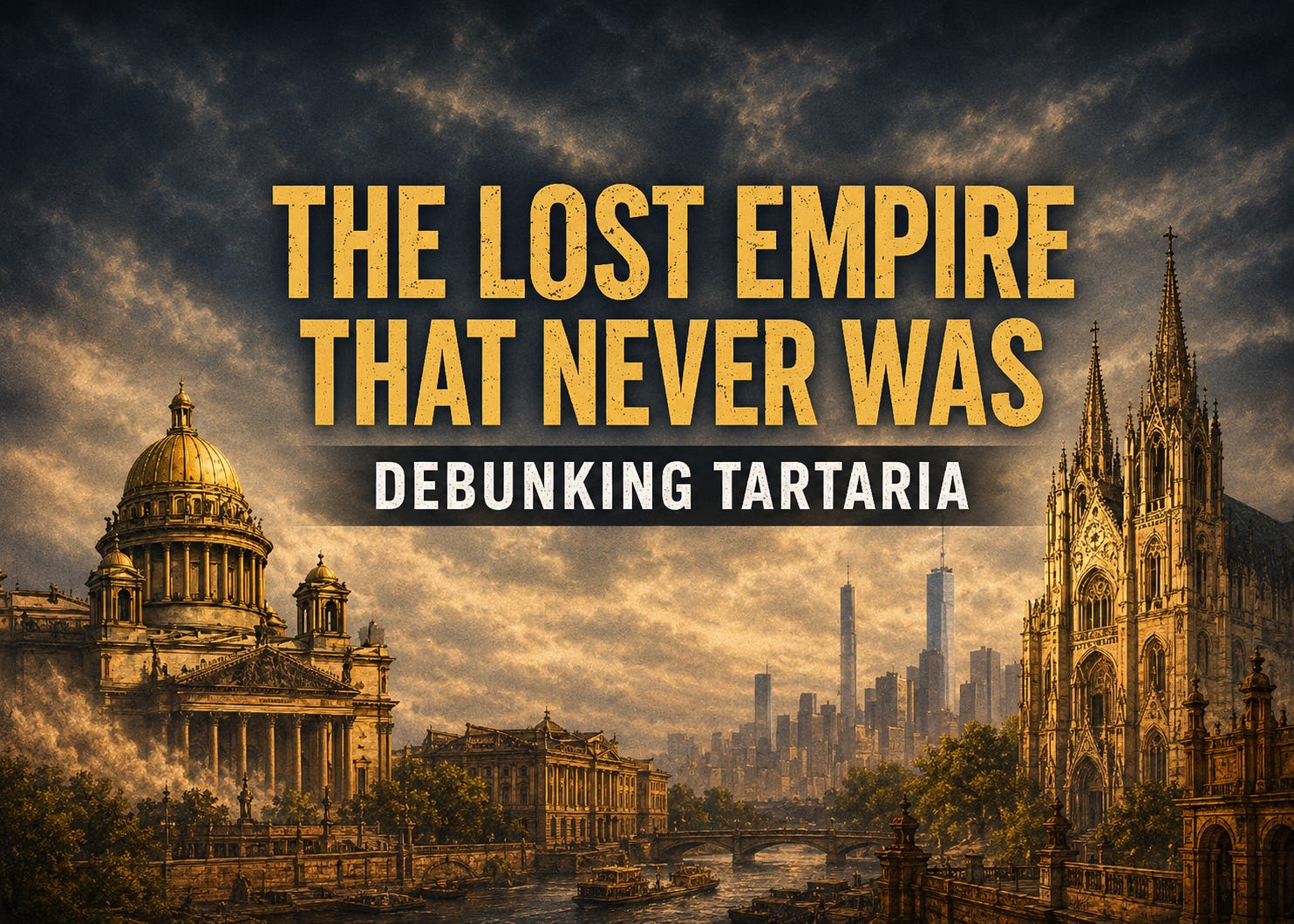
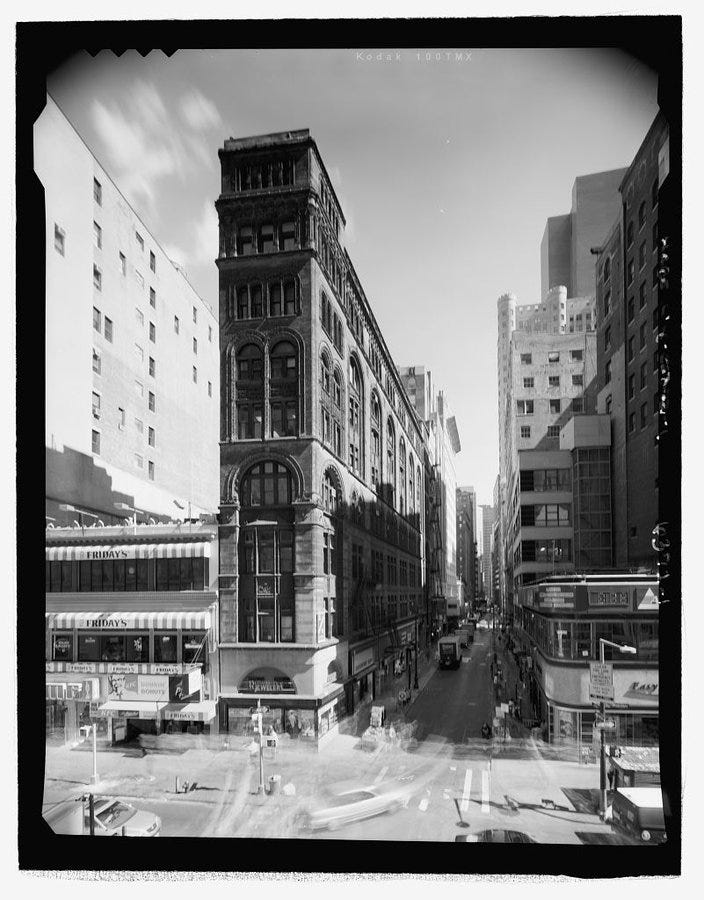
Grand domes, towering spires, and intricate stonework often look strangely out of place against modern skylines. It feels highly unlikely that 19th-century laborers raised these marvels using only hand tools and horse-drawn carts. Look closer at the street levels of countless historic buildings, and you might spot massive windows seemingly half-buried in the earth.
This visual oddity fuels a rapidly spreading online narrative surrounding the lost empire of Tartaria. The concept insists these structures were never built by our known ancestors. Advocates claim they are the surviving remnants of a highly advanced, peaceful global civilization wiped out just a few centuries ago.
The Antiquitech Hypothesis
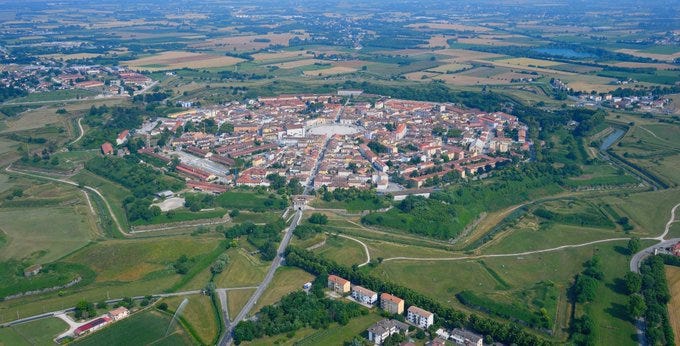
Proponents of this concept argue that Tartaria operated on a vastly superior technological paradigm. Cities supposedly harvested free atmospheric energy through a complex system known as Antiquitech. Under this lens, massive cathedrals and star forts were never places of worship or defense. They were functional resonance centers and wireless energy hubs.
To explain how a sprawling utopia vanished, the narrative introduces a deliberate mud flood. A catastrophic wave of sludge supposedly swept across the globe, burying magnificent cities under meters of dirt. Those half-sunken basement windows we walk past today are pointed to as the physical watermarks of a sudden apocalypse.
Reinterpreting the Visual Record
Early photography from the mid-1800s adds a strange visual layer to the mystery. Black and white images frequently show empty metropolitan streets or poorly dressed people struggling through mud right in front of palatial stone estates. The theory frames these bewildered individuals as a traumatized population inheriting a world they could never engineer.
The narrative actively consumes genuine historical tragedies and marvels to build its case:
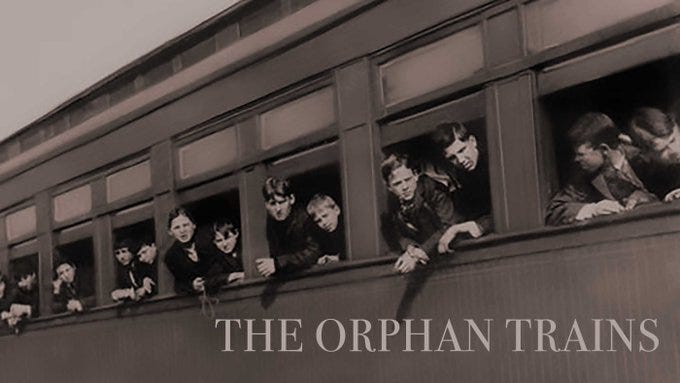
The Orphan Trains: Between 1854 and 1929, hundreds of thousands of displaced children were shipped across America to work in rural areas. The Tartaria narrative repurposes this brutal reality, claiming these children were deliberately stripped of their past to serve as amnesiac laborers.
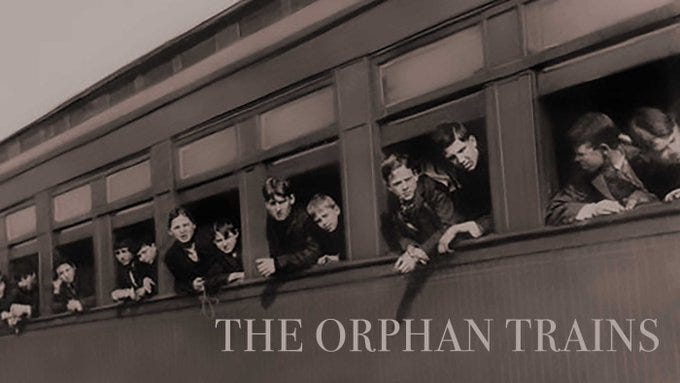
The Orphan Trains. Source: pbs.org
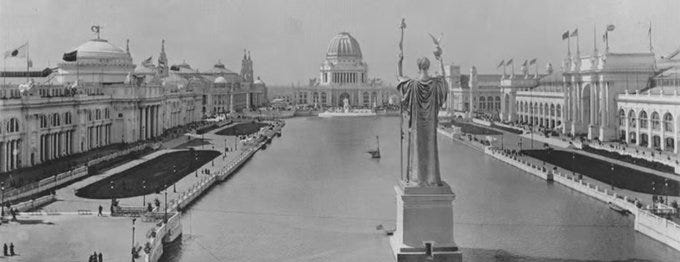
World Fairs: The sprawling neoclassical cities built for late 19th-century events in Chicago and San Francisco seem almost too grand to be temporary. Proponents argue these were actually ancient Tartarian capitals, briefly exhibited before being intentionally destroyed by fire and dynamite.
The Logistics of the 19th Century
Tracing the actual origins of this phenomenon reveals a bizarre blend of 1970s Russian pseudo-chronology and algorithm-driven nostalgia. The real explanation for those half-buried windows is grounded in basic industrial logistics. Buildings of that era required massive coal deliveries to survive the winter. Street-level openings simply allowed tons of fuel to be dumped directly into basements.
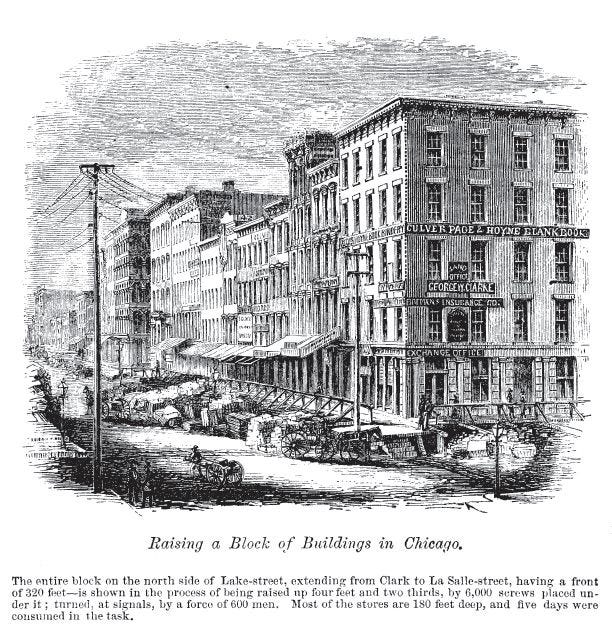
Some major cities truly were buried, but entirely by human design rather than a global catastrophe. A rapidly expanding 1850s Chicago was sinking into a swamp and facing lethal cholera outbreaks. Engineers used thousands of jackscrews to physically lift entire city blocks into the air, building modern sewers underneath and filling the new street levels with dirt.
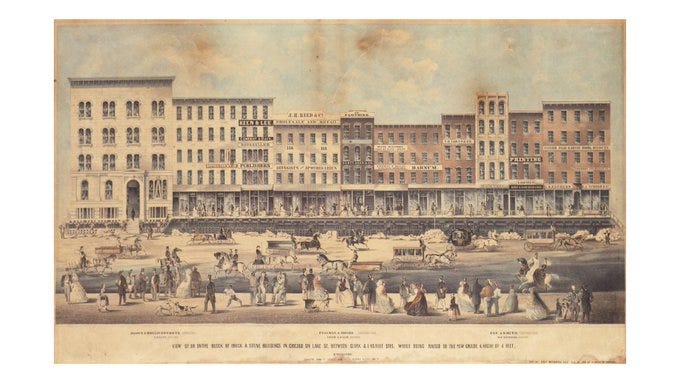
Illusions of Stone
The majestic World Fair structures were entirely temporary illusions. They were constructed from a cheap, fragile mixture of plaster and hemp fiber designed to mimic solid stone for a few short months. The supposedly empty streets in early photographs are just the result of long exposure times erasing moving figures from the frame.
People naturally gravitate toward the idea of a stolen golden age when faced with the harsh aesthetic decay of modern urban life. Ascribing these architectural triumphs to a phantom empire feels easier than grasping the brutal realities of the Industrial Revolution. Actual history involves ordinary people raising whole cities out of swamps and building temporary wonders amidst immense hardship.
Conclusion
We invent a stolen utopia because the alternative requires facing the brutal, messy reality of how our cities were actually built. Those half-buried windows and temporary plaster palaces simply mask the desperate survival tactics of a frantic Industrial Revolution. The real coverup might just be how eagerly we swapped the gritty, uncomfortable truth of human suffering for a comforting internet fantasy.