


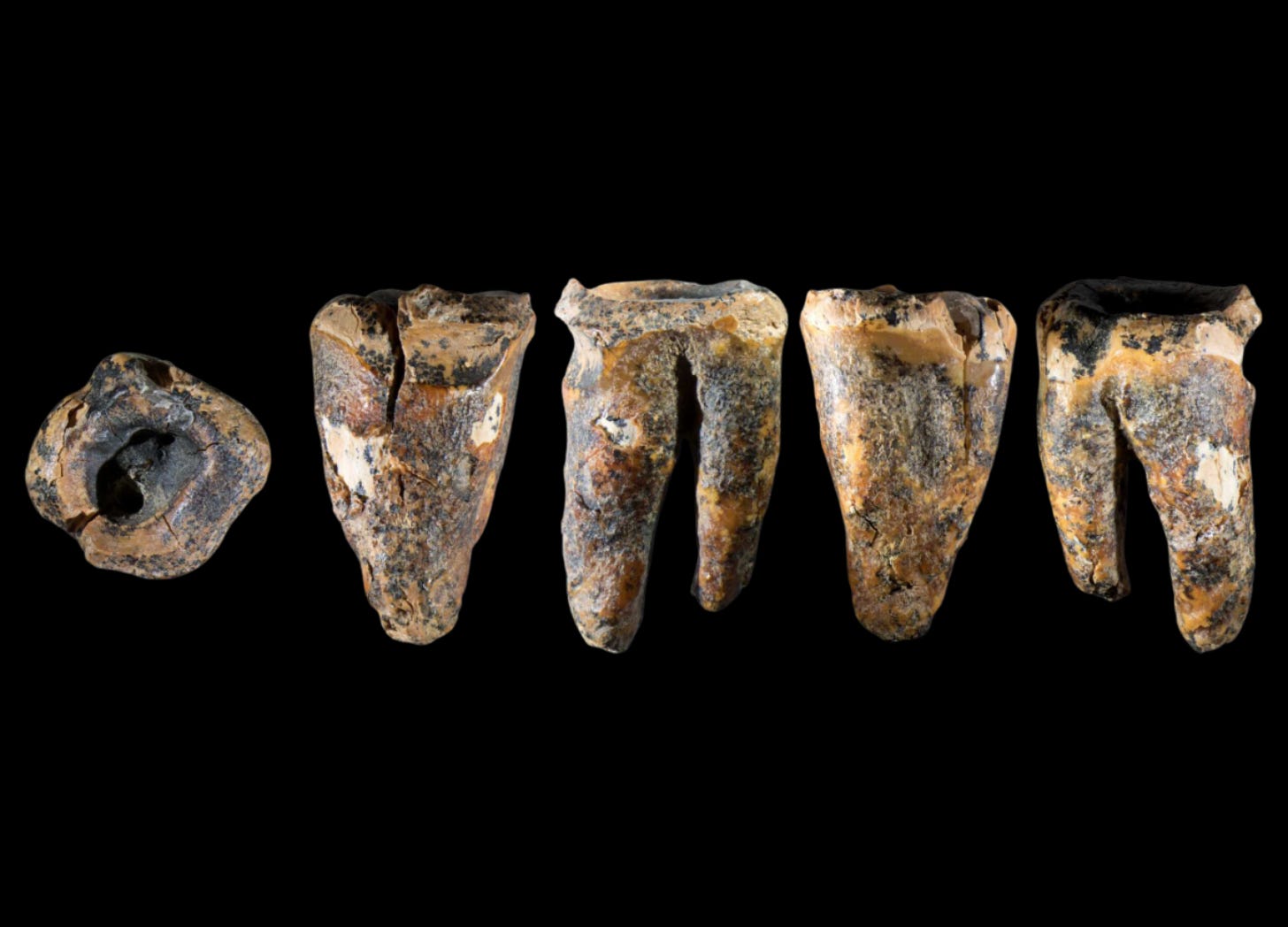
According to a new study, a Neanderthal living in Siberia around 60,000 years ago may have opened their mouth while someone, or possibly the individual themselves, drilled into a decayed tooth. If correct, this would represent the oldest known case of intentional dental treatment.
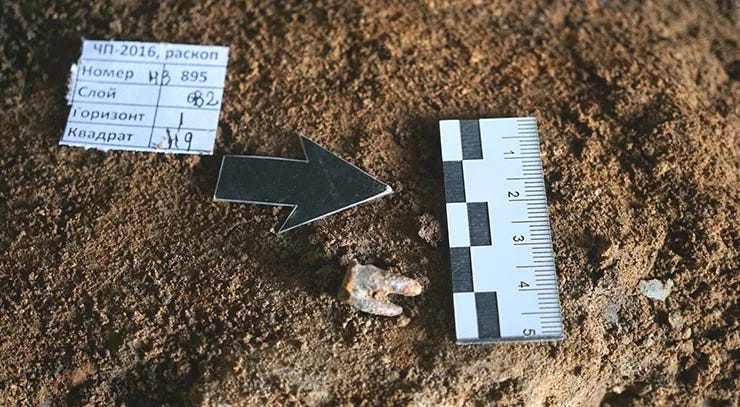
The lower molar, which belonged to an adult Neanderthal, was first discovered in 2016. At the time, researchers could not determine what had caused the deep hole on its surface. But a study published on May 13, 2026, in PLOS ONE suggests that experimental evidence points to the use of a small stone drill to remove badly decayed tooth tissue.
The procedure appears to have been complex. It indicates that Neanderthals, our closest extinct human relatives who lived roughly between 400,000 and 40,000 years ago, may have understood that a painful cavity could be treated. It also suggests they had the fine motor control needed to carry out such a delicate operation.
John W. Olsen, professor emeritus of anthropology at the University of Arizona, said the fact that such an invasive treatment was performed, and that the individual survived afterward, is another sign of how advanced Neanderthals were in their understanding of the human body and when medical intervention was necessary.
It remains unclear whether the procedure was self-administered or carried out by another Neanderthal. Gregorio Oxilia, an associate professor of human anatomy at the Free Mediterranean University in Italy, said the discovery suggests that the roots of invasive medicine and surgery were not unique to Homo sapiens. Instead, they may belong to a broader legacy shared with our closest relatives.
Before this discovery, the earliest known evidence for Homo sapiens treating tooth decay came from present-day Italy and dated to around 14,000 years ago. This new find pushes the history of intentional dentistry back by roughly 45,000 years. Oxilia said it significantly changes how researchers understand the evolution of health care among humans and their relatives.
Several examples of Neanderthal care are already known. At archaeological sites in Spain, for instance, researchers have found evidence that Neanderthals cared for a child with Down syndrome and consumed medicinal plants.
However, direct evidence for Neanderthal dental treatment has remained limited. One reason is that their generally low-carbohydrate diet likely kept rates of tooth decay relatively low.
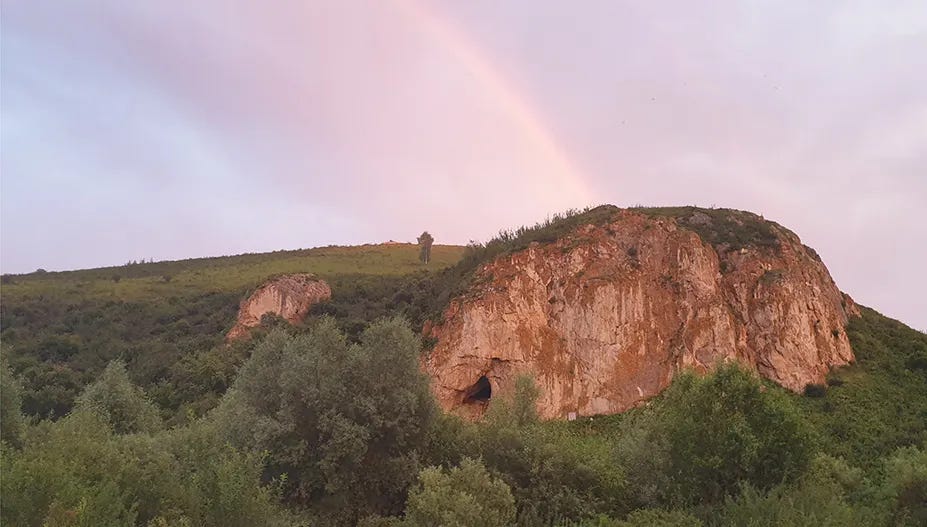
To determine whether the unusual hole in the roughly 59,000-year-old Neanderthal molar from Chagyrskaya Cave was intentionally made by human hands, researchers examined the tooth and then carried out experiments using three modern human teeth.
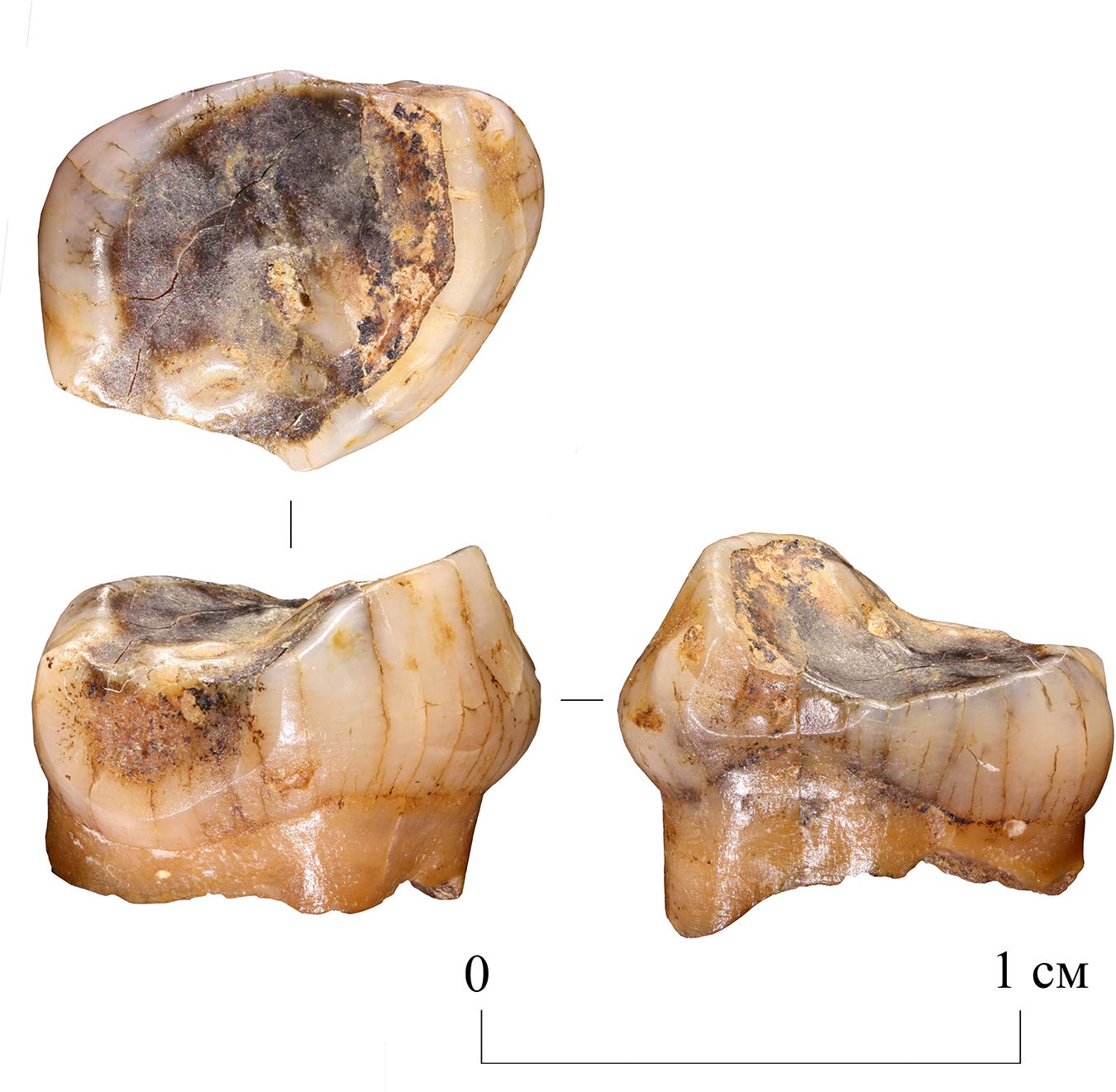
Microscopic analysis of the Neanderthal molar revealed two deep areas of demineralization, both consistent with severe dental decay. One decayed area was located where the tooth met the gumline. In this region, researchers identified smooth grooves typical of tooth-picking behavior.
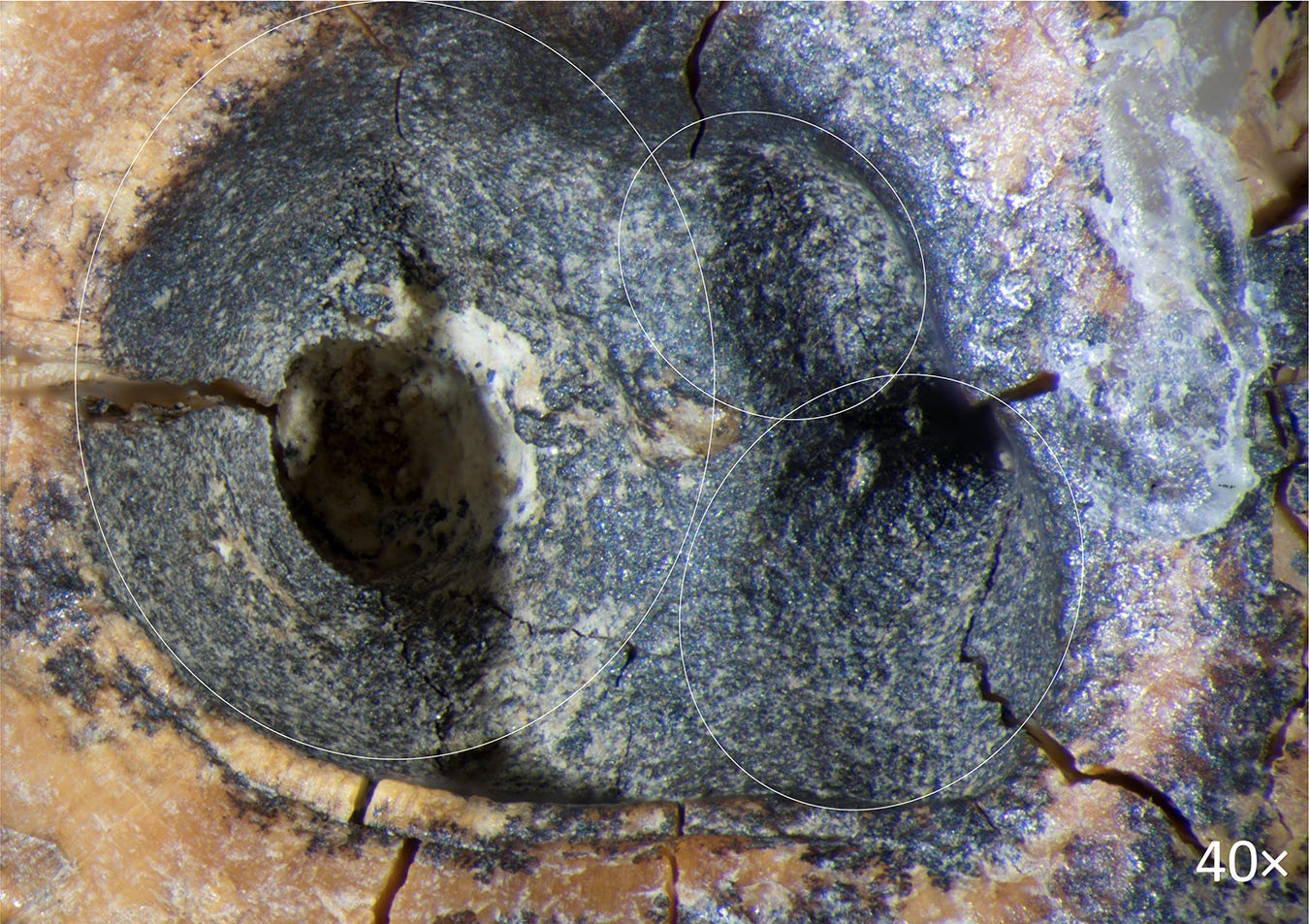
The second decayed area corresponded with a cavity on the tooth surface measuring 4.2 millimeters long, 2.8 millimeters wide and 2.6 millimeters deep. Tiny marks were also visible along the upper edge of the hole.
The research team then tested what kinds of tools and movements could have produced similar marks on modern teeth. Their experiments showed that the grooves could have been made by twisting small stone tools produced from locally available jasper. Archaeologists had previously found numerous long, thin and pointed tools at Chagyrskaya Cave that could have served this purpose.
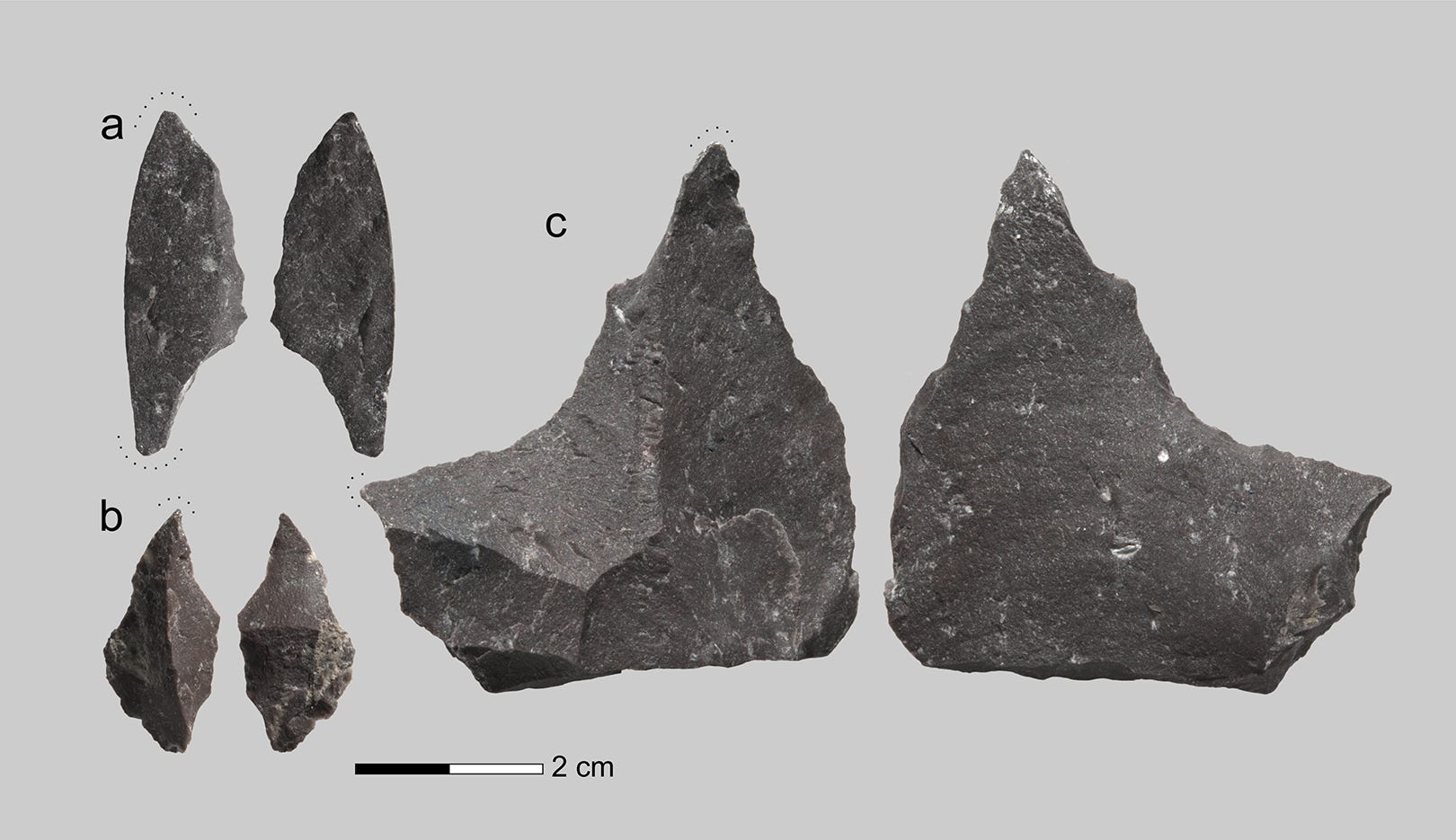
Olsen noted that chewing marks found over the grooves around the cavity indicate that the individual did not simply survive the procedure. They also lived long enough afterward for normal chewing activity to begin wearing away the original drilling marks.
Marina Lozano Ruiz, a bioarchaeologist at Rovira i Virgili University in Catalonia who studies Neanderthal teeth but was not involved in the research, said scientists cannot be absolutely certain that the hole was made with a stone dental drill. However, she explained that the highly localized nature of the marks makes this explanation more likely than alternatives, such as damage that occurred after the individual’s death.
Oxilia described the case as exceptional because it shows Neanderthals could respond to a rare dental problem with a highly focused and technically demanding intervention.
Rebecca Wragg Sykes, an archaeologist at the University of Cambridge and author of Kindred: Neanderthal Life, Love, Death and Art, believes the treatment may have been self-performed. Although she was not involved in the study, Sykes said the individual probably did not need another person to scrape out the decayed tooth. Group members may have offered emotional support during the painful process, but evidence from other primates shows that individuals can sometimes survive serious conditions without direct assistance from their group.
Source: Live Science