


A group of 2,000-year-old grape seeds recovered from ancient wells in Tuscany is giving researchers an unusually detailed view of early viticulture in one of Italy’s most famous wine regions. The finds come from Cetamura del Chianti, a hilltop settlement in the Chianti area that was occupied by Etruscans, later by Romans, and again in medieval times.
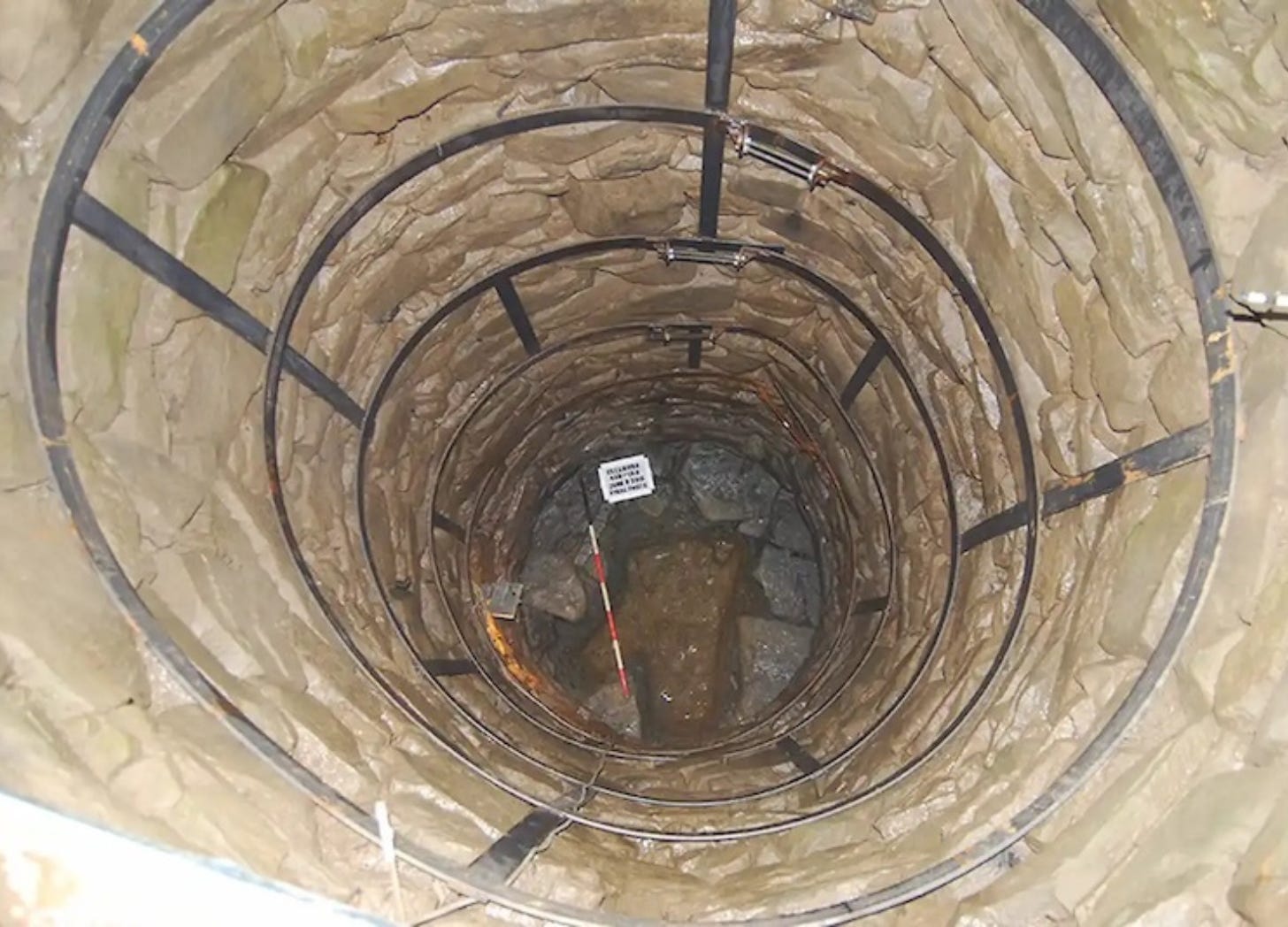
An Etruscan well cleared during the Late Roman period, 3rd–4th century AD. Credit: Cetamura del Chianti Project / FSU.
The seeds were preserved in deep wells where wet, oxygen-poor mud protected organic material for centuries. This rare preservation allowed scientists to recover ancient DNA from grape pips and compare them with other ancient and modern grapevine data. The result is one of the most detailed genetic studies of ancient grapevines from a single archaeological site.
The research was led by specialists connected with the University of York and published in the Journal of Archaeological Science. The team examined grape seeds from Cetamura using ancient DNA, seed-shape analysis, radiocarbon dating, and other methods. The study shows that the vineyards of Etruscan and Roman Tuscany were part of a long-running agricultural tradition, with some vines maintained across several centuries.
A deep well with exceptional preservation
Cetamura del Chianti lies in the modern province of Siena, in a region now strongly associated with red Chianti wines, especially those based on Sangiovese grapes. The archaeological story from the wells shows an earlier and more complex picture.
One of the wells at the site was cut into rock to a depth of about 32.4 meters, equivalent to 100 Etruscan feet. The wells produced thousands of artifacts and biological remains, including pottery, bronze vessels, wood, pollen, animal bones, nuts, seeds, and large numbers of grape pips. The waterlogged conditions created a stable environment for plant remains, which is why the grape seeds survived well enough for modern genetic analysis.
Between about 300 BC and AD 300, people living at Cetamura discarded grape seeds into the wells. Over time, these small remains became a biological archive of local viticulture. For archaeologists, they offer direct evidence of how grapes were grown, selected, and possibly exchanged during the transition from Etruscan to Roman control.
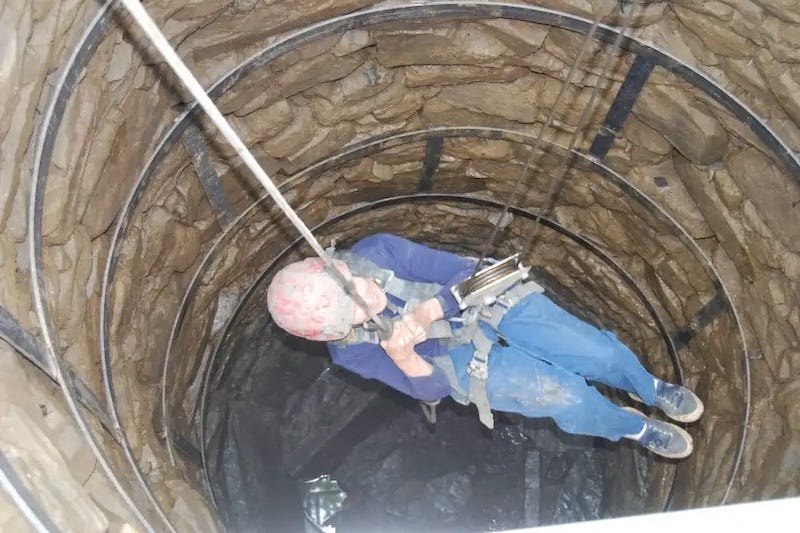
Local inhabitants of the area discarded grape seeds into deep wells. Credit: Florida State University.
DNA from 80 ancient grape seeds
The new study focused on 80 grape seeds. These were selected from a larger collection of grape remains recovered from the wells. Researchers sequenced their DNA and used genetic markers to understand relationships among the ancient vines.
One of the strongest findings was continuity. A large number of the tested seeds belonged to a single clonal group, meaning they came from the same grapevine lineage. In practical terms, this points to the repeated cultivation of a valued vine through cuttings. This method produces genetically identical plants and remains central to viticulture today.
The evidence suggests that a particular grapevine variety was maintained from the Etruscan period into the Roman period. Radiocarbon dating supports a minimum continuity of several centuries. This matters because it shows that ancient growers were managing vines deliberately, preserving preferred varieties across generations instead of relying only on seed-grown plants.
Chianti’s earlier white-grape phase
The most surprising result concerns grape color. Genetic markers showed that the dominant ancient clone most likely produced white berries. This is striking because Chianti today is internationally known for red wines.
The discovery suggests that before Chianti became famous for its red wine identity, the region had an important white-grape tradition. The ancient landscape around Cetamura may have produced white wines for centuries during the Etruscan and Roman periods. Red grapes also appear in the evidence, but the dominant lineage identified in the study points strongly toward white berries.
This changes the way the history of Chianti can be understood. The modern reputation of the region is built around red wine, yet the ancient genetic record shows that white grapes had a major role in its early viticultural history.
Roman networks and new grape varieties
The study also shows change after Roman expansion. Following Roman control of the settlement, new grapevine varieties appeared at Cetamura. This suggests that vines may have been brought into the region from other parts of the empire.
Genetic links connect the dominant Cetamura clone with two ancient grape seeds previously studied in southern France. That connection is important because it gives biological evidence for long-distance agricultural movement during the Roman period. Grapevines, techniques, and preferred varieties may have circulated through networks that linked Italy, Gaul, and other parts of the Roman world.
These findings fit a broader picture of Roman agriculture: vines were selected, propagated, transported, and standardized across wide territories. Wine production was both a local craft and part of an imperial economic system.
Wild grapes and cultivated vines
The researchers also used seed-shape analysis to distinguish between domesticated and wild grape remains. The evidence indicates that cultivated grapevines were central at Cetamura, while some wild grapes may also have been collected or used.
This combination is valuable because it shows how ancient people interacted with both managed vineyards and the surrounding landscape. Wild vines could have grown nearby, while cultivated vines were maintained for wine production. The presence of both forms helps reconstruct the agricultural and environmental setting of the settlement.
A link to living European grape traditions
Another seed from Cetamura belonged to a grape family still represented in Central and Eastern Europe. Its closest modern comparison is a rare Hungarian grape called Baratcsuha szürke. The same broader family is connected with Žametovka, the grape variety of the famous old vine in Maribor, Slovenia.
The Maribor vine is widely recognized as the oldest living grapevine still producing fruit. It is more than 400 years old and is preserved as a major symbol of Slovenian wine heritage. The Cetamura evidence suggests that some grape families have very deep histories, with ancient genetic lineages surviving in forms that still exist today.
What the discovery means for the history of wine
The Cetamura study concerns the roots of modern European viticulture, especially the continuity of grapevine cultivation from Etruscan to Roman Tuscany. It also shows that ancient growers were capable of preserving selected grape clones for centuries.
The findings should be understood within the wider history of wine. The earliest known biomolecular evidence for grape wine comes from the South Caucasus, in present-day Georgia, around 6000–5800 BC. Cetamura belongs to a much later period, but it helps explain how ancient Mediterranean wine traditions became more organized, connected, and durable.
The value of the Cetamura seeds lies in their precision. They show continuity, grape color, clonal propagation, regional change, and long-distance connections from tiny remains that were once thrown into wells. For the history of Chianti, the discovery adds an unexpected chapter: before its red wines became famous, the region may have been shaped by a long-lived white-grape tradition preserved through Etruscan and Roman hands.
Sources:
University of York / EurekAlert — “Ancient DNA from Tuscan wells reveal origins of modern wine,” 11 June 2026
PNAS — Patrick McGovern et al., “Early Neolithic wine of Georgia in the South Caucasus,” evidence for grape wine and viniculture around 6000–5800 BC.
Slovenia Tourism / Maribor sources — background on the Old Vine of Maribor.